A provocative new Chrome extension, 'Loser Detector,' challenges social media addiction by requiring users to scream 'I am a loser' into their microphone to unlock blocked platforms, introducing an extreme psychological barrier to digital distraction.
Introduction (The Lede)
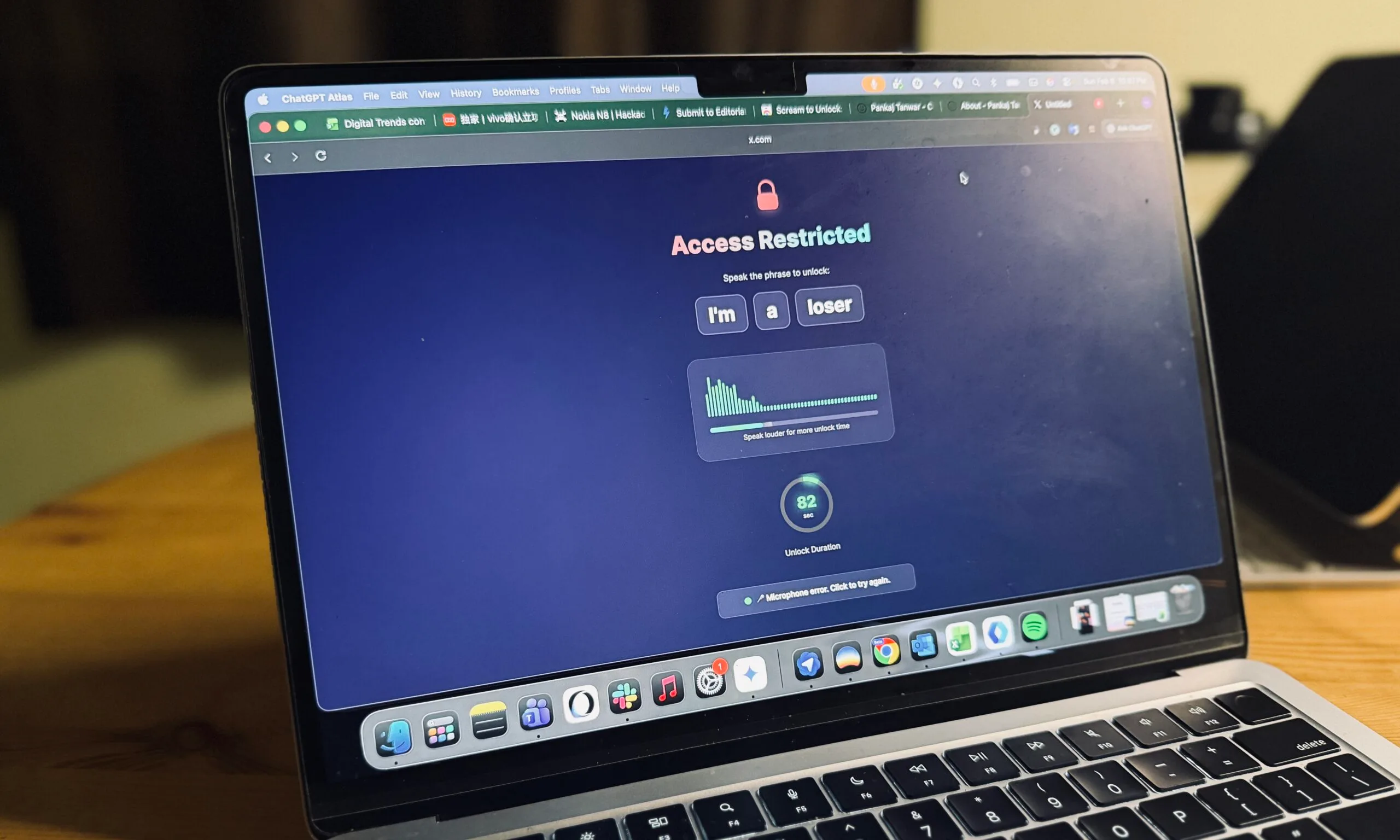
A new Chrome extension has launched that introduces an audaciously unconventional, and somewhat humiliating, approach to combating social media addiction. Dubbed "Loser Detector," this digital well-being tool demands a drastic verbal sacrifice: users must scream the phrase "I am a loser" into their microphone to temporarily unlock access to their preferred social platforms. It's a provocative experiment pushing the boundaries of self-control, transforming a simple site blocker into a confrontational psychological barrier.
The Core Details
Developed by software engineer Sam Lavigne, the "Loser Detector" extension is a stark departure from typical productivity aids. Once installed, it allows users to specify social media sites—including X (formerly Twitter), Instagram, TikTok, Facebook, and YouTube—they wish to restrict. The truly unique aspect lies in its unlock mechanism:
- Site Blocking: Prevents access to user-designated social media platforms.
- Unlock Condition: Requires the user to activate their microphone and loudly state the phrase "I am a loser."
- Technology: Utilizes modern speech recognition APIs to detect the specific vocal input.
- Objective: Aims to create a significant psychological hurdle, making the act of accessing social media a conscious, potentially embarrassing, decision rather than an impulsive reflex.
This functionality turns a passive blocking tool into an active, self-imposed confrontation, designed to shock users into reconsidering their digital habits.
Context & Market Position
The market for digital well-being tools is crowded with solutions ranging from time-limit apps and scheduling blockers (like Freedom or StayFocusd) to content filters. Most of these tools aim to passively limit access or create friction through timers. "Loser Detector," however, introduces an entirely new, highly personal, and emotionally charged dimension. Instead of just preventing access, it actively demands a performative act of self-deprecation. This positions it not merely as a productivity tool, but as a provocative statement on the lengths individuals might consider to regain control over their digital lives.
It stands out by leveraging shame and psychological discomfort as primary deterrents, rather than relying on brute-force blocking or time-based restrictions. Its approach is less about gentle nudges and more about a jarring, direct confrontation with one's own addiction. This redefines what a "social media blocker" can be, moving beyond functionality to incorporate a raw, almost satirical, commentary on human behavior and dependency in the digital age.
Why It Matters (The Analysis)
The significance of "Loser Detector" extends beyond its quirky functionality, highlighting deeper aspects of digital addiction and the evolving nature of intervention tools. For consumers, it offers a radical, albeit polarizing, solution. Its extreme nature might prove surprisingly effective for those severely struggling with social media overuse, forcing a powerful moment of self-reflection that passive blockers often miss. The sheer embarrassment and effort required to unlock could genuinely break addictive loops, making the reward of scrolling feel less appealing.
However, the psychological implications are considerable. Consistently engaging in self-deprecating behavior, even for a "good" cause, could raise concerns about its long-term impact on mental well-being and self-esteem. While possibly intended satirically, the tool might inadvertently normalize negative self-talk. For the industry, this extension challenges traditional software design ethics, demonstrating a willingness to explore uncomfortable psychological triggers for behavioral modification. It underscores the desperation some feel in combating digital distraction, pushing the boundaries of what constitutes an acceptable "productivity" feature and sparking crucial conversations about ethical design in digital well-being.
What's Next
Regardless of its widespread adoption, "Loser Detector" is poised to fuel further discussions about innovative—and sometimes controversial—approaches to digital well-being. This unconventional tool might inspire more developers to explore creative, psychologically driven solutions, even if less extreme, for digital addiction. It also serves as a poignant reminder for major tech companies to integrate more effective and user-friendly digital wellness features, potentially reducing the need for users to resort to such radical, external measures. The future of digital self-control remains a fascinating and evolving frontier.