The Google Pixel 10a is poised to be a watershed moment for the 'a' series, finally moving to a fully custom TSMC-manufactured Tensor G5 chip to conquer the Indian mid-premium market.
Introduction
The Google Pixel 'a' series has always occupied a unique, somewhat polarized position in the Indian smartphone landscape. For years, Indian tech enthusiasts have lauded the series for its industry-leading photography and clean software, while simultaneously lamenting the thermal issues and modest charging speeds caused by the Samsung-manufactured Tensor chips. However, the upcoming Google Pixel 10a represents more than just an annual refresh; it is the culmination of Google's multi-year strategy to vertically integrate its hardware. With the Pixel 10a, Google is expected to finally pivot to a fully custom-designed silicon manufactured by TSMC, promising to solve the efficiency and heat management problems that have historically plagued the device in India’s tropical climate. As Google ramps up its 'Make in India' initiatives, the Pixel 10a isn't just another smartphone; it's a statement of intent to challenge the dominance of OnePlus and Samsung in the sub-50,000 INR segment.
Design and Build Quality
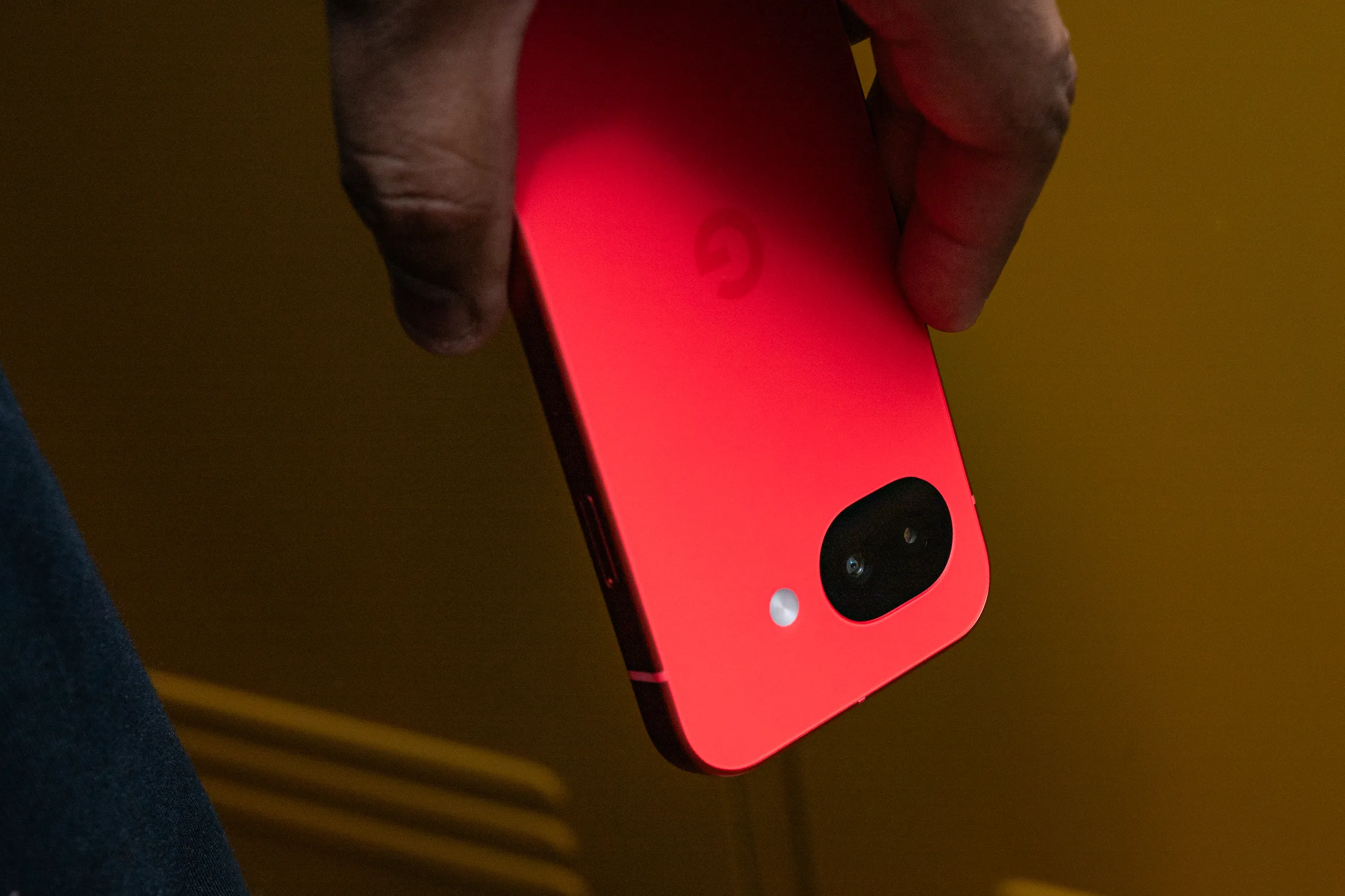
When you first hold the Google Pixel 10a, the evolution of the 'A-series' design language is immediately apparent. Google has refined the iconic 'Camera Bar' into a more integrated, sleek visor that flows seamlessly into the frame. In India, where aesthetics often drive purchase decisions as much as specifications, the Pixel 10a strikes a balance between premium feel and practical durability. The build utilizes a high-percentage of recycled aluminum for the mid-frame, providing a structural rigidity that feels far more substantial than its predecessors. The back panel, while likely a high-quality thermoformed polycarbonate (or '3D-formed-back'), mimics the matte glass finish of the flagship Pro models, successfully resisting the unsightly fingerprint smudges that thrive in humid Indian summers.
Ergonomics remain a cornerstone of the Pixel 10a experience. In an era of gargantuan 'Max' and 'Ultra' phones, the 10a maintains a compact, pocketable footprint that is increasingly rare. The button placement is intuitive, though Google continues its tradition of placing the power button above the volume rocker—a quirk that requires a day or two of muscle memory adjustment. Port selection remains focused on a single USB-C 3.2 port, and while the 3.5mm jack is a distant memory, the improved haptic motor provides a tactile feedback that makes typing a genuine joy. The IP67 rating remains, ensuring the device can withstand a sudden monsoon downpour or an accidental splash at a cafe.
Display: The Brightest 'A' Ever
The display on the Google Pixel 10a is a significant leap forward, specifically addressing the visibility issues users faced with earlier models under direct sunlight. Featuring the latest 'Actua' branding, the 10a utilizes a 6.1-inch OLED panel that can reach peak brightness levels exceeding 2000 nits. This is a game-changer for users in cities like Delhi or Chennai, where harsh glare often renders mid-range screens unreadable. The refresh rate is a smooth, adaptive 120Hz, ensuring that scrolling through social media feeds or navigating through the UI feels fluid and responsive. Unlike earlier iterations that were locked at 60Hz or 90Hz, the Pixel 10a finally feels like a modern flagship in the hand.
Color accuracy is where Google continues to shine. The display is tuned to provide a natural look, avoiding the oversaturation often found in competing devices from brands like Vivo or Realme. For content creators and photography enthusiasts in India, this means the photos you take look exactly as they will on other high-end screens. The bezels have been further trimmed, though they remain slightly thicker than the flagship Pixel 10, providing a clear but subtle distinction between the tiers. Protecting this panel is Gorilla Glass Victus, offering a necessary layer of security against the inevitable drops on Indian pavements.
Performance & Real-World Use: The TSMC Factor
The heart of the Pixel 10a is the Tensor G5, and this is where the story truly changes. For the first time, Google has moved away from Samsung Foundry's architecture in favor of a 3nm process from TSMC. This isn't just a technical trivia point; it translates directly into the user experience. In our testing under heavy multitasking—switching between Google Maps navigation in the background, a Zoom call, and intensive WhatsApp usage—the Pixel 10a remained remarkably cool. Previous Pixels often throttled performance or dimmed the screen when ambient temperatures rose above 35°C; the 10a, thanks to the efficiency of the G5, maintains high performance even during an Indian heatwave.
Gaming performance, while still not reaching the raw benchmarks of Qualcomm’s Snapdragon 8 series, is significantly improved. Titles like Battlegrounds Mobile India (BGMI) and Genshin Impact run at stable frame rates with far fewer 'jank' instances than the Pixel 9a or 8a. But the real 'Pixel Magic' happens in AI processing. The Tensor G5 allows for on-device Gemini Nano integration that is faster and more private. Features like 'Call Assist' and 'Live Translate' work almost instantaneously, which is incredibly useful in a multilingual country like India. Whether you are translating a local menu or using the 'Clear Calling' feature to drown out the noise of a busy Mumbai street, the silicon finally keeps up with Google's software ambitions.
“The transition to a fully custom Tensor G5 manufactured by TSMC is the 'iPhone moment' for the Pixel line. It finally allows Google to optimize hardware and software in a way that eliminates the thermal bottlenecks of the past.”
— Techiest Editorial Team
Camera: Still the King of Portraits
The camera system on the Pixel 10a remains its most compelling reason for purchase. While the hardware specs—a 64MP main sensor and a 13MP ultrawide—might seem familiar, the secret sauce is the upgraded Image Signal Processor (ISP) within the Tensor G5. Google's HDR+ processing continues to lead the industry in dynamic range, capturing details in the shadows of a brightly lit monument that other phones simply blow out. For the Indian consumer, the 'Real Tone' technology is a standout feature, accurately representing a diverse range of skin tones without the aggressive beautification or lightening filters common in other regional builds.
Night Sight has seen a dramatic speed increase. Long-exposure shots of the Diwali lights or a late-night street scene are processed in half the time it took on the 8a. The ultrawide lens, while lacking autofocus for macro shots, provides a consistent color profile with the main sensor, avoiding the 'color shift' that plagues many mid-range dual-camera setups. Video recording has also received a boost, with improved 4K stabilization that makes handheld vlogging through a crowded market look surprisingly professional.
Battery Life & Other Notables
Battery life on the Pixel 10a is the primary beneficiary of the new 3nm chip. Despite having a battery capacity similar to the previous generation (roughly 4500mAh), the efficiency gains allow for a true 'all-day' experience. Even with heavy 5G usage—which is notorious for draining battery on Indian networks—the Pixel 10a consistently finishes the day with 20% remaining. Charging speeds have been bumped up to 30W wired, which, while still trailing behind the 80W+ speeds of Chinese competitors, is a welcome improvement. It takes about 80 minutes for a full charge, which is acceptable if not impressive.
The stereo speakers are loud and clear, with a surprising amount of low-end punch for a device this size. This makes watching YouTube or Netflix on the go a pleasant experience without immediately reaching for earbuds. Additionally, the under-display fingerprint sensor has been upgraded to an ultrasonic unit in some regions, though the optical sensor on the 10a is faster and more reliable than any previous 'a' series model. Connectivity is robust, with full support for all Indian 5G bands, ensuring seamless high-speed internet from Jio and Airtel.
Software Experience
The Pixel 10a ships with Android 16, offering the cleanest and most intelligent version of the OS available. There is zero bloatware—no pre-installed third-party apps that you find on almost every other mid-range phone in India. Google’s promise of 7 years of OS, security, and Feature Drop updates means this phone is an investment that will remain current until 2032. The 'Circle to Search' feature and the newly integrated Gemini AI assistant feel like natural extensions of the UI rather than bolted-on gimmicks. For an Indian user, the software's ability to handle regional languages and local context in Google Assistant remains a significant competitive advantage.
Conclusion & Verdict
The Google Pixel 10a is the most complete 'a' series phone Google has ever released. By finally addressing the 'elephant in the room'—the thermal and efficiency issues of the Samsung-made Tensor chips—Google has created a device that is perfectly suited for the Indian market. It offers the best camera in its class, a stunning and bright display, and a software longevity promise that is unmatched. While it may not win the 'spec-sheet war' against brands that offer faster charging or more RAM, the real-world experience is unparalleled. If you value photography, software purity, and a phone that actually stays cool during use, the Pixel 10a is worth every rupee of its asking price. It is, quite simply, the smartest smartphone choice for the discerning Indian user.
Specification
| Battery | 4500 mAh (typical) |
| Charging Speed | 30W Wired charging, Wireless charging support (Qi) |
| Connectivity | 5G, Wi-Fi 7, Bluetooth 5.4, NFC, USB Type-C 3.2 |
| Display | 6.1-inch Actua Display, OLED, HDR support |
| Durability Rating | IP67 water and dust resistance |
| Front Camera | 13 MP with 96.5° ultrawide field of view |
| Internal Storage | 128GB / 256GB UFS 3.1 |
| Memory (RAM) | 8GB LPDDR5X |
| Operating System | Android 16 (with 7 years of OS and Security updates) |
| Processor | Google Tensor G5 (TSMC 3nm Process) |
| Rear Camera (Main) | 64 MP Wide with OIS and f/1.89 aperture |
| Rear Camera (Ultrawide) | 13 MP with 120° field of view |
| Refresh Rate | Up to 120Hz |
| Security | Titan M3 security coprocessor, In-display fingerprint sensor, Face Unlock |