Apple has confirmed it will adopt Rich Communication Services (RCS) messaging for iPhones in late 2024, significantly enhancing cross-platform communication with Android users and introducing crucial features like high-resolution media and end-to-end encryption for 'green bubble' chats.
Introduction (The Lede)
Apple has announced a significant shift in its mobile messaging strategy, confirming that iPhones will finally support Rich Communication Services (RCS) messaging in 2024. This long-awaited move will drastically improve the communication experience between iPhone and Android users, bringing features like higher-quality media, read receipts, and, most importantly, end-to-end encryption to the "green bubble" chats that have long been a point of contention. It marks a pragmatic step towards a more unified cross-platform messaging standard.
The Core Details
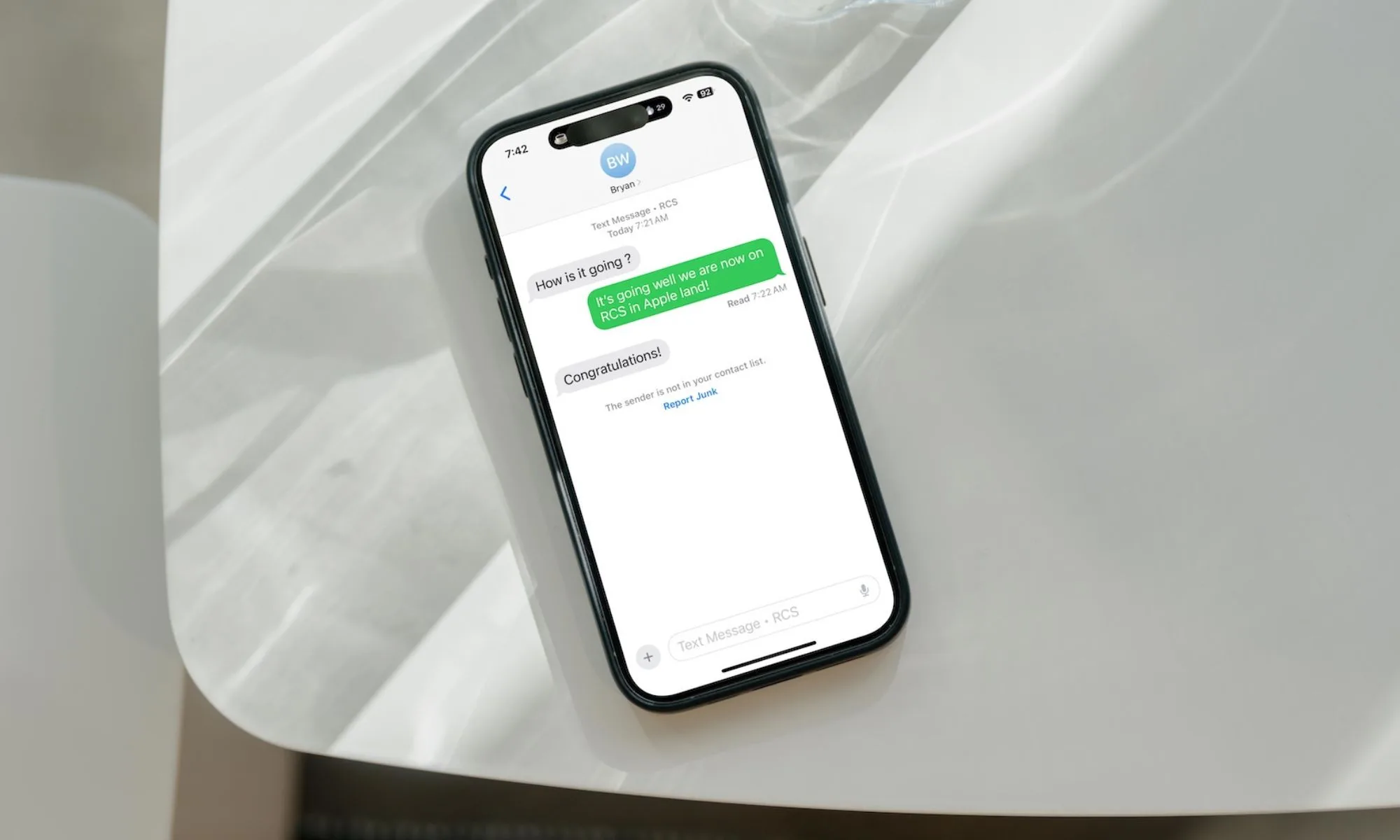
Starting in late 2024, iPhone users communicating with Android devices will no longer be relegated to the outdated SMS/MMS standard. Instead, these interactions will leverage the RCS Universal Profile, a modern messaging protocol. This transition will unlock a suite of enhancements previously exclusive to iMessage or third-party apps, making cross-platform conversations much richer and more functional.
- High-resolution photos and videos.
- Audio messages.
- Read receipts and typing indicators.
- Improved group chat functionality.
- Enhanced location sharing.
- End-to-end encryption for RCS conversations, a critical privacy upgrade.
Apple states its motivation is to improve the messaging experience for its users, aligning with evolving industry standards. However, it's vital to note that RCS will not replace iMessage; blue bubbles will remain for iPhone-to-iPhone chats, with green bubbles now indicating RCS (or SMS/MMS fallback) for Android.
“We believe RCS Universal Profile will offer a better interoperability experience for iPhone users, when communicating with non-iPhone users, than SMS or MMS. This will work alongside iMessage, which will continue to be the best and most secure messaging experience for iPhone users.”
— Apple Spokesperson, 9to5Mac
Context & Market Position
For years, the disparity between iPhone and Android messaging—epitomized by the "green bubble" phenomenon—has been a source of both social stigma and technical frustration. While iMessage offered a rich, feature-filled experience for Apple users, communications with Android users reverted to the antiquated SMS/MMS protocol, leading to pixelated media, unreliable group chats, and a complete lack of modern features like read receipts or encryption. Google has been a vocal proponent of RCS, actively pushing Apple to adopt the standard to bridge this communication gap and normalize modern messaging across all mobile devices.
Apple's long-standing resistance to RCS was often seen as a strategic move to lock users into its ecosystem, where the superior iMessage experience served as a differentiator. This shift, while delayed, acknowledges the growing demand for seamless cross-platform communication and potentially preempts future regulatory pressure, particularly from regions like the EU, even if Apple denies direct influence. While apps like WhatsApp, Signal, and Telegram already offer secure, feature-rich cross-platform messaging, RCS integrates these modern capabilities directly into the native messaging app, offering a more streamlined user experience without requiring a separate download or account setup. This move positions Apple closer to an open, universal messaging standard for non-iMessage interactions.
Why It Matters (The Analysis)
This adoption of RCS is a monumental win for consumers and a significant step forward for the mobile industry. For millions of users caught in the "green bubble" dilemma, it means an end to communication compromises. Parents can finally share high-quality photos of their kids with family members on Android, friends can participate in fluid group chats regardless of their device, and everyone benefits from the assurance of read receipts and typing indicators. The most profound impact, however, lies in the commitment to end-to-end encryption. This means sensitive conversations between iPhones and Androids will finally gain a layer of privacy and security that SMS/MMS never provided, protecting personal data from potential interception.
Strategically, Apple's move is pragmatic. It enhances the core utility of its devices without sacrificing the proprietary appeal of iMessage. By improving the "green bubble" experience, Apple mitigates a long-standing pain point for its users who communicate frequently with Android users, potentially reducing reasons for customers to consider switching platforms due to messaging frustrations. It validates Google’s years-long advocacy for an open messaging standard and subtly shifts power dynamics within the mobile ecosystem, encouraging broader adoption of RCS. This ultimately fosters a more inclusive and secure digital communication landscape for everyone.
What's Next
The integration of RCS on iPhones in late 2024 will be a rollout to watch closely. Details on implementation, such as how Apple will brand these new "green bubble" features or how smoothly the transition will occur, are yet to be fully revealed. Google will likely continue its push for further RCS enhancements and potentially tighter integration across its own services. This pivotal decision from Apple could also set a precedent, potentially paving the way for other cross-platform features to be adopted in the future, further blurring the lines between mobile operating systems for a more cohesive user experience.