Ford is poised to introduce a new generative AI assistant and an advanced version of its BlueCruise hands-free driving system, aiming to deliver a smarter, safer, and more personalized in-car experience for future vehicles.
Introduction (The Lede)
Ford is set to revolutionize the in-car experience with upcoming advancements in artificial intelligence and hands-free driving technology. The automaker has confirmed plans to introduce a new generative AI assistant alongside a significantly enhanced version of its BlueCruise system, promising a more intuitive, personalized, and safer journey for drivers. These innovations signal a pivotal shift in Ford’s strategy, aiming to solidify its position at the forefront of automotive technology and challenge key competitors in the burgeoning smart vehicle market.
The Core Details
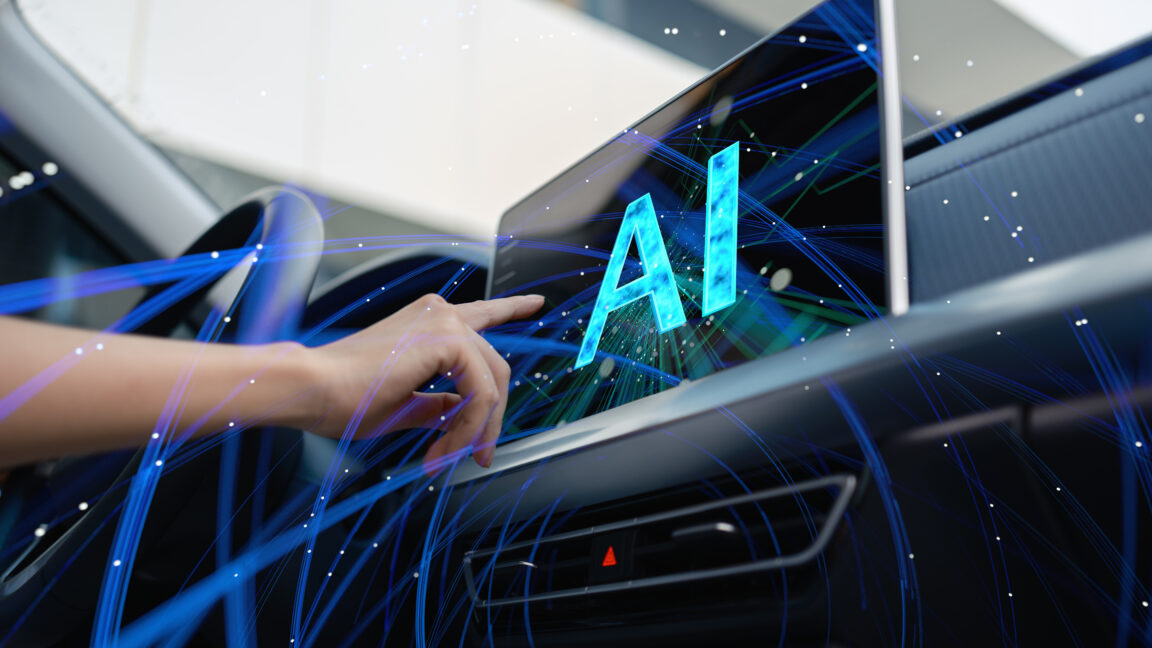
The core of Ford’s announcement centers on a dual-pronged approach to technological evolution. The new AI assistant is envisioned as a highly conversational and context-aware system, leveraging generative AI to provide more natural interactions and anticipate driver needs. This goes beyond traditional voice commands, offering personalized assistance and seamless integration with various vehicle functions and potentially external services. The company expects this assistant to learn and adapt over time, making every interaction more efficient and tailored.
- Generative AI Assistant: Conversational, context-aware, personalized interactions, control of vehicle features, answer complex queries, potential integration with smart home or office ecosystems.
- Enhanced BlueCruise: Next-generation hands-free driving, expected expansion of Hands-Free Blue Zones, improved lane centering, smoother operation in varying conditions, advanced predictive capabilities for safer transitions and maneuvers.
- Over-the-Air Updates: Both technologies are designed to evolve through regular over-the-air updates, ensuring capabilities improve over time for compatible vehicles.
- Availability: Expected to roll out in future Ford models, with some BlueCruise enhancements potentially coming to existing compatible vehicles via OTA updates.
Context & Market Position
This strategic move places Ford squarely in the high-stakes race for automotive technological supremacy. The enhanced BlueCruise directly competes with General Motors' Super Cruise, Tesla's Autopilot/Full Self-Driving (FSD), and advanced driver-assistance systems from Mercedes-Benz (Drive Pilot) and BMW. While BlueCruise has already carved a niche with its truly hands-free capabilities on approved highways, the forthcoming enhancements are critical to expanding its lead and addressing user demands for greater reliability and broader operational domains. The integration of a generative AI assistant puts Ford in direct competition with burgeoning in-car AI solutions from rivals, many of whom are exploring large language model integrations, positioning Ford as a serious contender in the software-defined vehicle era.
Why It Matters
These advancements from Ford carry significant implications for both consumers and the broader automotive industry. For consumers, the enhanced BlueCruise promises an even more relaxed and safer driving experience on long journeys, reducing driver fatigue and increasing confidence in assisted driving. The generative AI assistant, on the other hand, could transform the mundane task of interacting with your vehicle into a more human-like conversation, providing unparalleled convenience and personalization. Imagine asking your car complex questions about your destination, adjusting climate control with natural language, or even planning your day without lifting a finger from the wheel. This could set a new benchmark for in-car user experience.
“We believe that the future of driving is not just about getting from point A to point B, but about making that journey smarter, safer, and more enjoyable through intelligent technology.”
— [Ford Executive, Statement from internal press material]
For the industry, Ford’s commitment to advanced AI and ADAS underscores the accelerating trend towards software-defined vehicles. This move will intensify competition, prompting other automakers to fast-track their own AI and autonomous driving solutions. It also highlights the growing importance of recurring revenue streams through software updates and subscription services for these premium features, fundamentally altering the traditional automotive business model.
What's Next
Looking ahead, Ford's next challenge will be the successful execution and widespread deployment of these technologies. We can anticipate aggressive marketing efforts highlighting the safety and convenience benefits, alongside a continuous cycle of over-the-air updates to refine and expand capabilities. The success of this rollout will dictate Ford's standing in the increasingly competitive tech-driven automotive landscape. The industry will be closely watching for how these innovations translate into real-world performance and customer adoption, setting the stage for the next wave of automotive evolution.