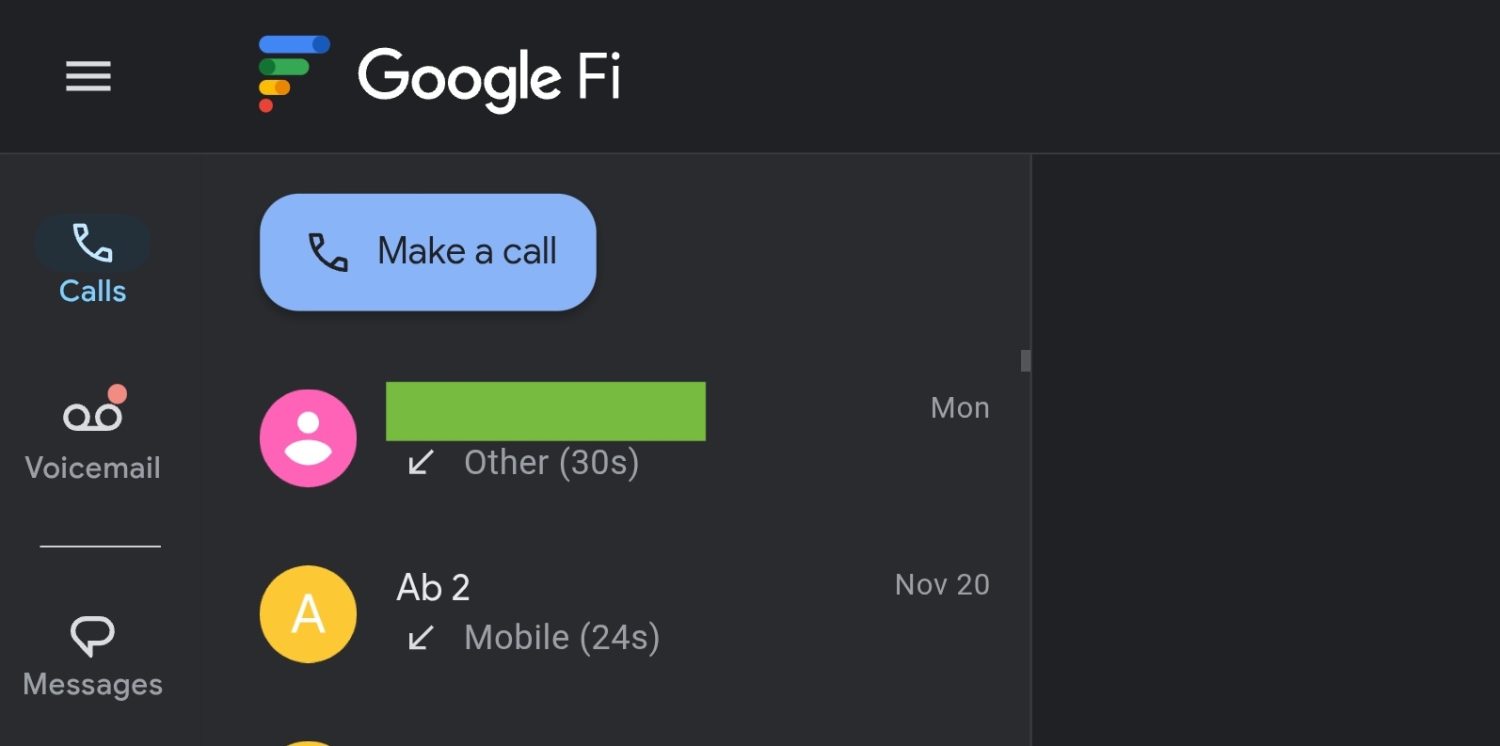
Google Fi Wireless has rolled out significant upgrades, introducing independent Web Calls and comprehensive Rich Communication Services (RCS) functionality directly on its web interface, allowing users to communicate seamlessly even when their primary phone is offline.
Introduction (The Lede)
Google Fi Wireless is rolling out a significant upgrade to its communication capabilities, fundamentally changing how subscribers interact with their calls and messages. The new features enable independent Web Calls and full Rich Communication Services (RCS) on the web interface, allowing users to make and receive calls and manage their advanced messages directly from a web browser – even if their primary phone is powered off or out of service. This move dramatically enhances cross-device flexibility and solidifies Google Fi's position as a forward-thinking mobile virtual network operator (MVNO).
The Core Details
The rollout primarily focuses on two key enhancements for Google Fi Wireless subscribers:
- Independent Web Calls: Fi users can now initiate and receive calls directly from messages.google.com/web or fi.google.com/web. Unlike traditional web calling solutions that often require the phone to be connected and online, Fi’s new system routes calls through Google’s cloud infrastructure, meaning your physical phone’s status is irrelevant for web-based calling.
- Full RCS on the Web: All advanced features of RCS, including high-resolution photo and video sharing, read receipts, typing indicators, and end-to-end encryption for one-on-one chats, are now fully functional and independent on the web client. Previously, the web interface primarily mirrored SMS/MMS, with RCS capabilities tied directly to the paired phone. Now, your RCS conversations continue seamlessly online, even if your phone is off or disconnected.
To enable these features, users need to ensure "Sync messages and calls" is activated within their Google Fi app. This integration is available at no additional cost for all Google Fi Wireless plans (Flexible, Unlimited Plus, and Simply Unlimited) and is currently rolling out gradually to the entire subscriber base.
Context & Market Position
This update significantly elevates Google Fi Wireless's standing in the competitive carrier landscape. Previously, Fi's web interface, while convenient for SMS/MMS, lagged behind in providing a truly independent, feature-rich experience akin to popular over-the-top (OTT) messaging apps. With the new Web Calls and independent RCS, Fi is now offering a carrier-grade service that rivals the cross-device functionality of platforms like WhatsApp or Signal, but tied directly to a traditional phone number.
Compared to other U.S. carriers, Google Fi is setting a new benchmark. While some major carriers offer Wi-Fi calling or basic web messaging solutions (e.g., T-Mobile DIGITS, Verizon Message+), few provide the combination of truly independent web calling and comprehensive RCS functionality that works even when the primary device is offline. This move leverages Google's deep integration capabilities between its Messages app, Jibe Mobile platform, and cloud services, creating a cohesive ecosystem. It also reinforces Google's broader strategy to push RCS as the modern standard for mobile messaging, bridging a gap where iMessage has historically dominated with its multi-device sync.
Why It Matters (The Analysis)
For consumers, this rollout is a game-changer, offering an unprecedented level of flexibility and peace of mind. Imagine your phone dying while you're at your computer, or leaving it at home: with Fi's new features, you remain fully connected, able to make and receive calls and manage your most advanced messages without interruption. This is particularly valuable for remote workers, students, or anyone who frequently juggles multiple devices throughout their day. The full integration of RCS on the web, including end-to-end encryption for individual chats, means enhanced privacy and a richer communication experience regardless of the device in hand. It effectively eliminates the "dead zone" problem where being away from your phone meant being cut off.
From an industry perspective, Google Fi is pushing the envelope for what an MVNO can offer, blurring the lines between traditional cellular services and internet-based communication. It challenges other carriers to innovate beyond basic Wi-Fi calling and to embrace a more device-agnostic approach to communication. This move further strengthens Google's commitment to RCS and accelerates its adoption, providing a compelling alternative to proprietary messaging ecosystems. The added value, delivered without an extra charge, makes Google Fi Wireless an even more attractive option for users seeking seamless, modern communication solutions.
What's Next
This significant upgrade positions Google Fi Wireless at the forefront of integrated communication services. We can expect Google to continue refining these features, potentially leading to deeper integrations across its hardware ecosystem, such as Chromebooks and tablets, making the Fi experience even more ubiquitous. Other carriers will likely observe Fi's success closely, potentially prompting them to develop similar independent web-based calling and messaging solutions. The broader implication is a further shift towards more flexible, cloud-native communication, reducing reliance on a single physical device and embracing true multi-device freedom.