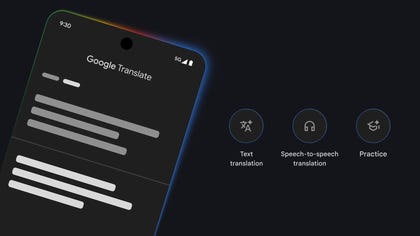
Google is rolling out a new beta version of its Translate app, enabling users to turn any ordinary headphones into real-time language interpreters for over 70 languages, significantly breaking down communication barriers.
Introduction (The Lede)
The long-held dream of a universal translator is taking a significant leap forward as Google unveils a beta version of its Translate app. This groundbreaking update empowers users to transform their ordinary headphones into powerful, real-time language interpreters, supporting over 70 languages. This move by Google promises to revolutionize how people interact across linguistic divides, making seamless cross-cultural communication more accessible than ever before.
The Core Details
The new beta feature, now rolling out to select users, enhances the Google Translate app's existing real-time conversation and transcribe modes. Here’s how it works:
- Input: The user's smartphone microphone captures spoken language from a conversation or a live lecture.
- Processing: Google's advanced AI and language models instantly process and translate the audio.
- Output: The translated audio is then delivered directly to the user's connected headphones, whether they are standard wired earbuds or Bluetooth over-ear headphones. Simultaneously, the original speaker can hear the translated response from the phone's speaker, if configured for conversation mode.
- Language Support: The beta currently supports more than 70 languages, covering a vast array of global communication needs.
- Accessibility: Crucially, this functionality does not require specialized hardware like Google's Pixel Buds, making it available to anyone with a smartphone and a pair of standard headphones.
This integration streamlines the interpretation process, allowing for more natural and private interactions without the need to constantly hand over a device or rely on loud speaker output.
Context & Market Position
Google Translate has long been a leader in digital translation, evolving from basic text translation to sophisticated camera and voice input. This latest update marks a pivotal moment by democratizing real-time audio interpretation. Previously, dedicated hardware like Google's Pixel Buds offered integrated real-time translation, but this beta feature extends that capability to a much broader audience, removing a significant hardware barrier to entry. Competitors like Microsoft Translator also offer robust real-time translation features, and various standalone translation devices exist. However, Google's extensive AI research, vast language data sets, and ubiquitous app presence give it a significant edge. By leveraging existing smartphone and headphone technology, Google is transforming what was once a niche, hardware-dependent feature into a mainstream, software-driven utility, positioning itself at the forefront of accessible global communication tools.
Why It Matters
This beta rollout holds immense significance for consumers, the tech industry, and the future of global interaction. For consumers, it's a game-changer for international travel, making it easier to navigate foreign countries, engage with locals, and understand diverse cultures without a language barrier. It's equally impactful for business professionals conducting international meetings or for individuals living in multilingual communities, facilitating clearer communication and fostering greater understanding. The ability to use 'ordinary headphones' eliminates the need for expensive, specialized devices, offering tremendous value. From an industry perspective, Google is setting a new benchmark for real-time translation, potentially disrupting the market for dedicated interpreter gadgets. This innovation underscores the growing power of AI to solve complex human problems, demonstrating how advanced speech-to-text, natural language processing, and text-to-speech technologies can converge to create seamless user experiences. The 'so what' is clear: Google is making the world feel smaller and more connected, paving the way for unprecedented cross-cultural dialogue.
“Language should never be a barrier to connecting with others. Our goal is to make communication seamless for everyone, everywhere.”
— Google Translate Team Statement
What's Next
As this beta progresses, we can anticipate further refinements in accuracy, speed, and language support, particularly in handling nuanced dialects and slang. Future iterations might see even tighter integration with other Google services, such as live translation of audio from video calls or advanced augmented reality features that translate signage and spoken words simultaneously. This marks a continuous journey towards a future where language is no longer a formidable obstacle, but a bridge to deeper global understanding and connection.