Samsung has revealed its strategic vision for its 2026 audio ecosystem, promising a future of AI-driven multi-device sound, seamless connectivity, and innovative designs to redefine immersive audio experiences.
Introduction (The Lede)
Samsung has unveiled its ambitious vision for its 2026 audio ecosystem, signaling a strategic shift towards more intelligent, seamlessly connected, and aesthetically integrated sound experiences. Moving beyond individual devices, the tech giant aims to deliver a unified audio journey across its diverse product portfolio, promising smarter multi-device sound and innovative designs that blend effortlessly into modern living spaces. This forward-looking announcement underscores Samsung's commitment to leadership in the smart home and personal audio segments.
The Core Details
The 2026 audio roadmap centers on several key pillars designed to enhance user interaction and immersion. Samsung's strategy is built around sophisticated AI integration, enabling devices to dynamically optimize sound based on environmental factors, content type, and user preferences. The core enhancements include:
- Unified Multi-Device Control: Seamless switching and playback across smartphones, tablets, TVs, and smart home devices for a truly continuous audio flow.
- Advanced Spatial Audio: Leveraging AI and advanced algorithms to create more personalized and truly immersive soundscapes, adapting to user position and room acoustics.
- Adaptive Sound Profiles: AI-driven optimization of audio output to match individual hearing profiles and current listening environments, from quiet contemplation to a bustling party.
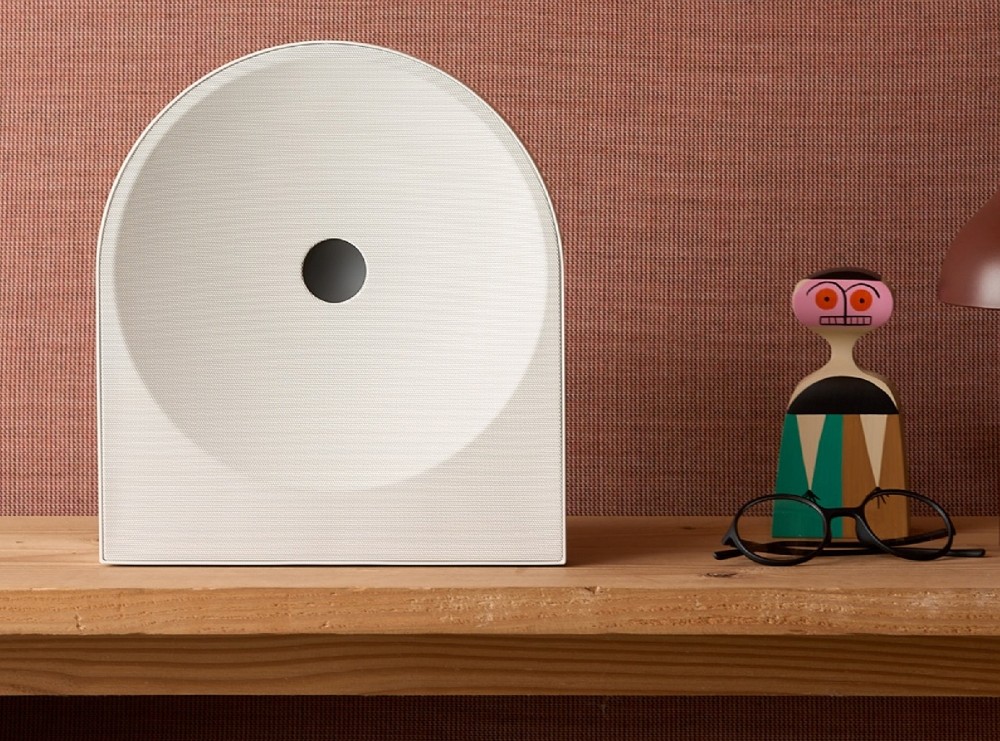
- Innovative Form Factors: Introduction of new design philosophies for soundbars, portable speakers, and other audio peripherals that prioritize aesthetics and integration into contemporary home decor.
- Enhanced Connectivity: Broader adoption of Wi-Fi 6E, Bluetooth LE Audio, and Matter standards for robust, low-latency, and universally compatible connections across the ecosystem.
- Sustainability Focus: Continued efforts in eco-conscious materials, modular designs for easier repair, and energy-efficient operations across the product line to minimize environmental impact.
These developments are set to be integrated into Samsung's forthcoming audio products slated for 2026.
Context & Market Position
This strategic announcement positions Samsung firmly in the evolving smart audio landscape, directly challenging rivals like Apple, Sonos, and Google. While Apple excels with its tightly integrated ecosystem (HomePod, AirPods), and Sonos dominates multi-room audio, Samsung leverages its vast hardware presence—from TVs and smartphones to home appliances—to create a broader, more interconnected audio experience. Unlike a standalone audio company, Samsung's strength lies in its ability to offer a comprehensive "connected living" vision where audio is just one facet. The 2026 roadmap signifies a move beyond incremental upgrades, aiming for a holistic sound experience that anticipates user needs through AI.
This also represents an evolution from its current excellent soundbar and earbud lineup, pushing the boundaries of what consumers can expect from multi-device interaction and environmental adaptability. The collaboration with Harman brands like AKG and JBL continues to provide an acoustic advantage, ensuring that advanced software features are backed by high-fidelity sound hardware. Samsung’s approach aims to differentiate by offering unparalleled integration within its own vast ecosystem, making the experience more seamless and intuitive than ever before.
Why It Matters (The Analysis)
Samsung's 2026 audio vision is significant because it shifts the paradigm from individual product performance to a cohesive, intelligent sound ecosystem. For consumers, this promises an unparalleled level of convenience and personalization. Imagine sound that automatically adjusts to your room's layout, follows you seamlessly from your TV to your earbuds as you leave the house, and optimizes for music, movies, or calls without manual intervention. This enhanced intelligence and multi-device fluidity could drastically improve daily interactions with technology, making audio truly ambient and intuitive.
For the industry, it sets a new benchmark for integration and AI-driven personalization, potentially forcing competitors to accelerate their own ecosystem development. The emphasis on aesthetic integration also acknowledges a growing desire for technology that enhances, rather than clutters, living spaces. By integrating sustainability into its core design philosophy, Samsung is also responding to increasing consumer demand for eco-conscious products. While specific products are still in development, this strategic outline suggests a future where Samsung aims to own the entire audio experience, making it a critical component of its broader smart home strategy and enhancing the value proposition of its entire device family.
“Our vision for 2026 is to break the boundaries of sound, transforming how people interact with their audio devices and creating experiences that are truly intelligent, seamless, and deeply personal. We believe in sound that understands you and your environment.”
— The Samsung Audio Innovation Team, Official Press Release
What's Next
This forward-looking announcement sets the stage for a series of product launches and feature rollouts throughout 2025 leading into 2026. Consumers can anticipate further details on specific devices, pricing, and exact availability as Samsung refines its offerings. The industry will be closely watching how quickly and effectively Samsung delivers on its ambitious promises, particularly regarding the seamless AI integration and multi-device interoperability, which will ultimately define its success in this highly competitive and rapidly evolving audio landscape. Expect further showcases at upcoming tech events.