Android Central's 2026 predictions highlight significant challenges for Garmin's UI and smart features, while anticipating a major resurgence for Fitbit under Google, driving a demand for smarter AI and advanced health sensors in future wearables.
Introduction (The Lede)
Android Central's recent deep dive into the future of fitness watches paints a vivid picture of a market ripe for significant transformation by 2026. The analysis highlights enduring frustrations with established players like Garmin, while simultaneously forecasting a potential renaissance for Fitbit under Google's stewardship, setting the stage for a dynamic shift in wearable technology leadership and innovation.
The Core Details
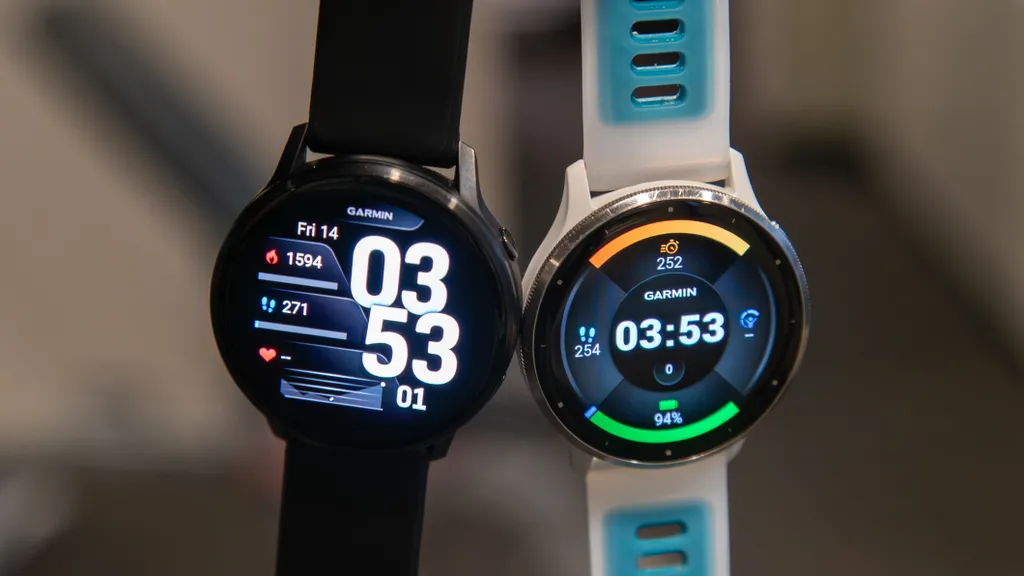
The report pinpoints several critical areas where current fitness watch brands are either lagging or poised for significant advancement. For Garmin, despite its athletic prowess, the article identifies long-standing user experience issues:
- Clunky User Interface (UI): A persistent complaint regarding navigation and overall aesthetic.
- Limited Smart Features: Lacking robust integration with voice assistants, smart home ecosystems, and third-party apps compared to rivals.
- Dated Display Technology: Many models still utilize less vibrant MIPS displays over modern AMOLED.
- Inconsistent App Experience: A fragmented and sometimes frustrating software ecosystem.
Conversely, Fitbit, under Google's ownership, is seen as having immense potential for a resurgence, driven by:
- Deeper Android Integration: Leveraging Google's ecosystem for seamless user experience.
- Advanced Health Features: Expanding on its strong health tracking foundation with potential for medical-grade sensors.
- Refined Design & Pricing Strategy: Offering compelling hardware with potentially competitive pricing.
Looking ahead to 2026, the article outlines broader desired improvements for the entire wearables segment:
- Smarter AI & Personalized Coaching: Moving beyond raw data to actionable, individualized insights.
- Next-Gen Sensors: Non-invasive glucose monitoring, continuous blood pressure, and advanced body composition analysis.
- Breakthrough Battery Life: Devices lasting weeks, not days, on a single charge.
- Universal AMOLED Displays: High-resolution, vibrant screens becoming standard across all tiers.
- Unified OS & Ecosystem: A more cohesive software experience with better third-party app support.
Context & Market Position
The fitness watch market is a fiercely competitive arena, currently dominated by a few key players. Garmin has long held a stronghold in the serious athlete and outdoor enthusiast segments, revered for its GPS accuracy and robust activity tracking. However, its Achilles' heel has consistently been its software experience and smart features, which pale in comparison to the likes of Apple Watch and Samsung Galaxy Watch. These tech giants have effectively merged smart capabilities with health tracking, appealing to a broader consumer base seeking a holistic wrist companion. Fitbit, once a pioneer in activity tracking, saw its market share erode but now has the formidable backing of Google. This places Fitbit in a unique position to challenge both traditional fitness brands and general-purpose smartwatches by potentially offering an optimized Google-ecosystem experience with a strong health focus. The current landscape suggests a bifurcation: highly specialized sports watches versus general smartwatches. The predictions indicate a future where these two categories might converge, forcing all players to elevate their game in both hardware and software.
Why It Matters (The Analysis)
These predictions signal a crucial inflection point for the wearables industry. For consumers, the implications are significant: we could be on the cusp of truly intelligent and intuitive health companions. The push for smarter AI means less raw data and more personalized, actionable advice, turning a passive tracker into an active coach. Advanced sensors promise to revolutionize personal health monitoring, potentially enabling early detection of serious conditions and significantly improving chronic disease management, moving from wellness to genuine medical utility. A revitalized Fitbit under Google could democratize advanced health tech, offering a compelling alternative to premium smartwatches while integrating seamlessly into the Android ecosystem. For Garmin, these insights are a clear call to action: its unparalleled hardware prowess must be matched by a modern, intuitive software experience to retain market leadership. Failure to adapt risks confining it to an ever-shrinking niche. The industry is being pushed towards a future where sophisticated health analytics, superior user experience, and extended battery life are not luxuries, but prerequisites for market relevance.
What's Next
The coming years will undoubtedly see an accelerated pace of innovation in wearables. We can anticipate Garmin making concerted efforts to refine its software and smart features, while Fitbit's next-generation devices will be scrutinized for their Google integration and health tech advancements. The race for non-invasive health monitoring and genuinely smart AI will intensify, driving partnerships between tech companies and medical researchers. Ultimately, the market will likely consolidate around devices that offer a superior blend of comprehensive health insights, seamless smart features, and exceptional battery life, ushering in a new era of proactive personal health management on the wrist.