
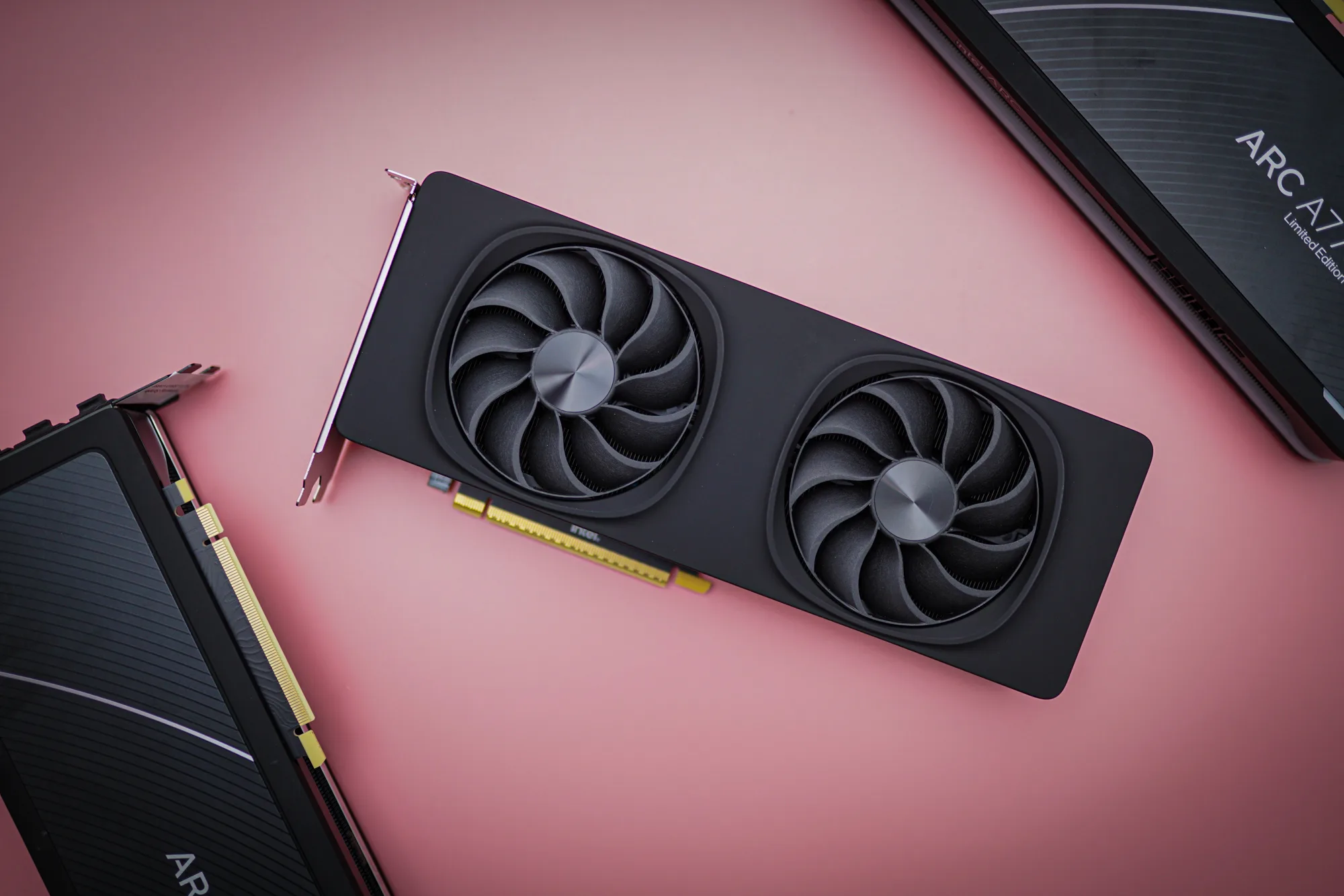
Speculation is building around Intel's unconfirmed Arc B770 GPU, projected for a 2026 release as part of the Battlemage generation, with analysts anticipating it could profoundly shake up the competitive midrange graphics card segment currently dominated by AMD and Nvidia.
Introduction (The Lede)
While unconfirmed and still years away, a compelling narrative is emerging around Intel's potential Arc B770 graphics card, rumored to launch in 2026. Experts are already pinpointing this speculative GPU as a prime candidate to ignite fierce competition and offer significant value in the hotly contested midrange market. If it materializes as envisioned, the B770 could be the disruptive force that finally solidifies Intel's position as a formidable third player in a duopoly long held by AMD and Nvidia.
The Core Details
The Digital Trends analysis, which sparked much of this excitement, positions the hypothetical Arc B770 as a card targeting the performance segment currently occupied by Nvidia's GeForce RTX 4070 and AMD's Radeon RX 7800 XT. While specific specifications remain entirely speculative, the expectation is that the B770, part of Intel's forthcoming Battlemage architecture (the successor to Alchemist), would offer a compelling blend of raw power, VRAM, and Intel's XeSS upscaling technology. Industry observers anticipate a competitive price point to aggressively challenge existing offerings, potentially making high-performance gaming more accessible. The projected 2026 launch places it within the timeframe for Intel to refine its software stack and drivers, crucial for a smooth user experience.
Context & Market Position
Intel's journey into the discrete GPU market has been a challenging but determined one. The inaugural Arc Alchemist series, while demonstrating potential, struggled with driver maturity and inconsistent performance at launch. The B770, as a Battlemage generation product, represents Intel's second major architectural iteration, expected to deliver significant performance-per-watt improvements and a more robust feature set. This rumored card would squarely target the lucrative midrange segment, a sweet spot for many gamers seeking strong performance without breaking the bank. Currently, this market is a battleground between AMD's RX 7800 XT and Nvidia's RTX 4070/4070 Super, both offering distinct advantages in rasterization, ray tracing, and feature sets like DLSS and FSR. For the B770 to succeed, it must not only match or exceed the raw performance of these rivals but also overcome the lingering perception issues from the first Arc generation and present a compelling ecosystem for users.
Why It Matters (The Analysis)
The prospect of an Intel Arc B770, if it fulfills its speculated potential, is significant for several reasons. Primarily, it promises to inject much-needed competition into a GPU market that often feels stagnant. A powerful, competitively priced midrange option from Intel could force AMD and Nvidia to re-evaluate their own pricing strategies and accelerate innovation, ultimately benefiting consumers through better value and more choices. Intel's commitment to its XeSS upscaling technology, alongside continued driver improvements, suggests a holistic approach to gaming performance. For consumers, the B770 could represent an opportunity for a truly powerful gaming experience at a more accessible price point than currently available. For Intel, a successful Battlemage launch, spearheaded by a strong midrange contender like the B770, would be a monumental step in establishing itself as a permanent and impactful third vendor in the discrete GPU space.
“If Intel were able to release a B770 that targeted the performance of an RTX 4070 for around $350, that could really shake things up. It would introduce meaningful competition in a segment that desperately needs it.”
— Jacob Ridley, Digital Trends
What's Next
All eyes will now be on Intel for official announcements regarding its Battlemage architecture and specific product lines. While the B770 remains a speculative entry, the excitement it generates underscores the industry's desire for genuine competition. Future developments will involve monitoring leaks and official teasers, paying close attention to driver development progress, and anticipating how AMD and Nvidia might react to Intel's evolving GPU strategy as we approach the rumored 2026 launch window. The coming years will reveal if the B770 lives up to its immense potential.