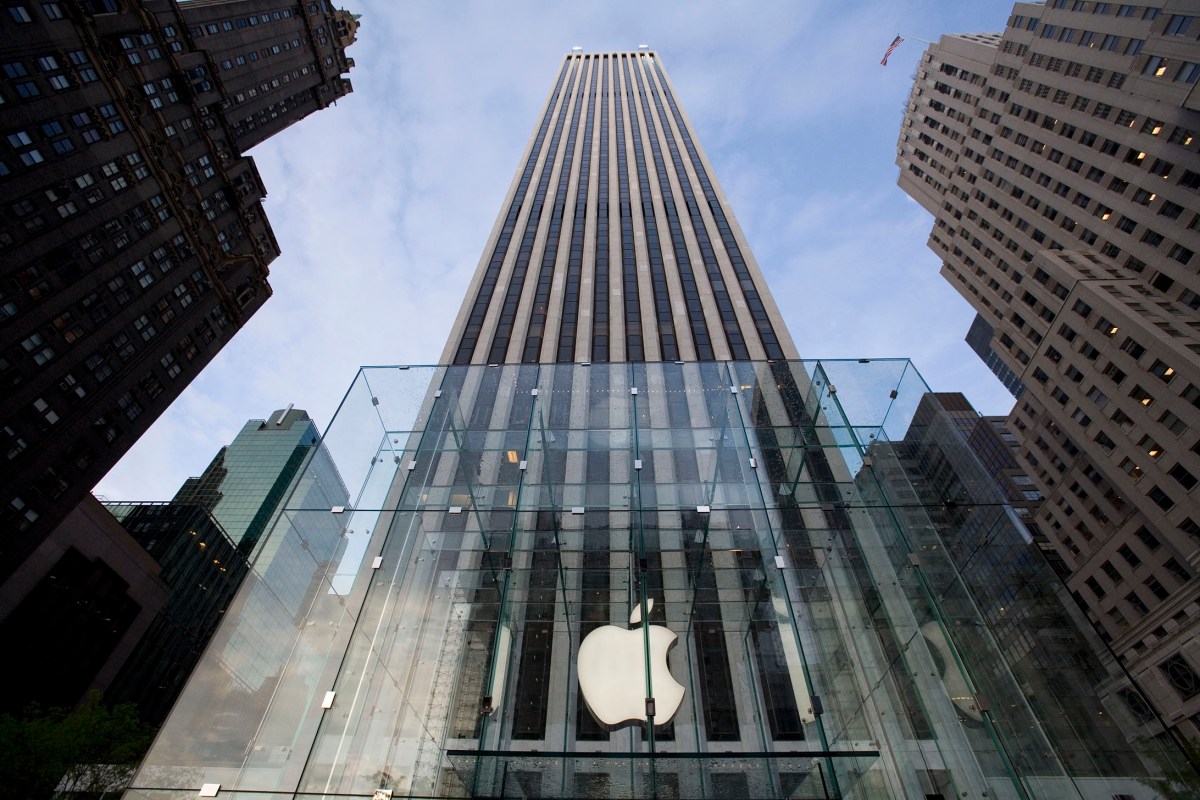
Apple has updated its developer agreement, empowering itself to act as a debt collector for unpaid fees, a move signaling a significant shift in its relationship with app developers and sparking debate over platform control.
Introduction (The Lede)
In a move set to redefine its relationship with millions of app creators, Apple has quietly updated its developer agreement, effective December 18, 2025, granting itself unprecedented powers to act as a direct debt collector. This sweeping change allows the tech giant to actively pursue and recover unpaid commissions, advertising fees, and other charges from developers, leveraging its own payment infrastructure and even legal avenues to do so.
The Core Details
The revised Apple Developer Program License Agreement introduces explicit clauses that permit Apple to unilaterally recover debts owed by developers. Key aspects of this update include:
- Direct Recovery Powers: Apple can now directly deduct outstanding balances from future app sales, advertising payouts, or any other funds held by Apple on behalf of the developer.
- Broad Scope of Debts: The agreement covers a wide array of potential debts, including but not limited to App Store commissions, advertising service fees (e.g., Apple Search Ads), and any other charges incurred by developers through Apple's ecosystem.
- Global Enforcement: This new enforcement mechanism is not restricted by region and applies to developers globally, standardizing Apple's approach to financial disputes worldwide.
- Legal Recourse Explicit: The updated terms explicitly state Apple's right to pursue legal action or engage third-party collection agencies if direct recovery methods prove insufficient, solidifying its position as a creditor.
- Payment Processing Leverage: By embedding this power within its payment processing framework, Apple gains significant leverage, as developers rely on its system for revenue distribution.
Context & Market Position
This aggressive stance by Apple comes amidst a backdrop of intense scrutiny over its App Store policies and fees. For years, developers have voiced concerns over Apple's 15-30% commission rates, leading to high-profile legal battles with companies like Epic Games and ongoing antitrust investigations globally. The existing developer agreement largely relied on the threat of account termination for non-compliance; this update fundamentally alters that dynamic by giving Apple direct financial clawback capabilities. Other major platforms, such as Google Play, do have mechanisms to ensure compliance with financial terms but rarely employ such explicit and broad-reaching debt collection clauses. The change signals Apple's intent to more rigorously enforce its terms and secure its revenue streams in an increasingly competitive and scrutinized digital marketplace, especially as alternatives like the European Union's Digital Markets Act (DMA) push for more open app ecosystems and payment options.
Why It Matters (The Analysis)
The implications of Apple becoming a direct debt collector are profound for all stakeholders. For developers, particularly smaller studios and independent creators, this introduces a new layer of financial risk and potential instability. The fear of Apple unilaterally seizing funds could stifle innovation, as developers might become more hesitant to take risks or contest perceived unfair charges. It significantly shifts the power balance further in Apple's favor, turning a platform host into a powerful financial arbiter. For consumers, this could indirectly impact app diversity and pricing if developers are pressured into more conservative financial strategies. While Apple might argue this move ensures the financial health and integrity of its ecosystem, critics will view it as another example of platform overreach, potentially inviting renewed regulatory scrutiny regarding fair competition and developer protection. The move could also set a dangerous precedent, encouraging other tech giants to adopt similar aggressive collection policies.
“This updated agreement is a clear signal that Apple is prioritizing its financial security and control over the developer ecosystem. While they might frame it as essential for maintaining a healthy marketplace, many developers will undoubtedly see it as an alarming escalation of power.”
— Dr. Anya Sharma, Tech Industry Analyst, Digital Frontier Insights
What's Next
The immediate fallout from this agreement update is likely to be a wave of concern and potential pushback from the developer community and advocacy groups. We can expect increased calls for regulatory bodies to examine the implications of such broad debt collection powers. It remains to be seen how actively Apple will exercise these new capabilities, but their mere existence introduces significant tension. This development underscores the ongoing struggle between platform control and developer autonomy, hinting at more legal and legislative battles in the evolving digital landscape.