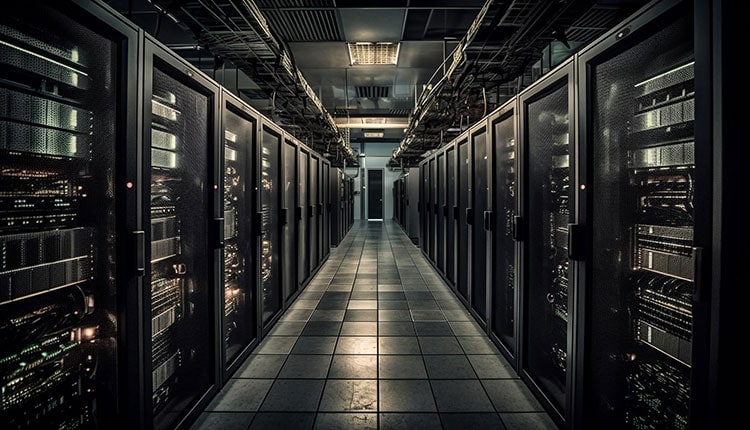
Once the silent workhorses of the internet, data centers have rapidly moved into the spotlight, driven by the insatiable demands of artificial intelligence, reshaping energy grids, real estate, and global technology strategy.
Introduction (The Lede)
For decades, data centers were the invisible backbone of the digital world, toiling away in obscurity. However, the burgeoning era of artificial intelligence, particularly generative AI, has irrevocably thrust these critical facilities from backend support to the forefront of global strategic importance, transforming them into the new battlegrounds for technological supremacy and the very foundations upon which future innovation will be built.
The Core Details
The dramatic elevation of data centers is primarily fueled by the unprecedented computational requirements of AI models. Training and running large language models (LLMs) demand immense processing power, leading to a surge in demand for specialized hardware and infrastructure. Key details include:
- Compute Power Surge: Modern AI data centers are heavily reliant on powerful Graphics Processing Units (GPUs) from companies like NVIDIA, AMD, and increasingly, custom AI accelerators, replacing traditional CPU-centric architectures.
- Energy Consumption: These facilities are becoming voracious power consumers. Estimates suggest that AI-specific data centers can draw several times the power of conventional ones, pushing electrical grids to their limits and requiring significant investment in new energy infrastructure.
- Cooling Demands: The high-density compute clusters generate enormous heat, necessitating advanced cooling solutions such as liquid cooling, which are far more complex and costly than traditional air cooling systems.
- Real Estate & Location: The need for massive tracts of land near reliable power sources and fiber optic networks has intensified, driving up real estate values in key technology hubs and expanding into new regions.
- Supply Chain Pressures: The specialized nature of AI hardware and cooling systems places immense pressure on global supply chains, leading to lead times of months or even years for critical components.
Context & Market Position
This shift redefines the competitive landscape for major tech players, particularly hyperscalers like Amazon Web Services (AWS), Microsoft Azure, and Google Cloud, who are racing to build out their AI-optimized infrastructure. These giants are investing tens of billions annually, creating a significant barrier to entry for smaller players. The traditional enterprise data center model is struggling to keep pace, often opting for hybrid cloud strategies to offload AI workloads to hyperscalers.
Geopolitically, data centers have become strategic national assets, influencing energy policy, land use, and even national security. The competition for resources — from chips and energy to skilled technicians — is intense. This contrasts sharply with the pre-AI era, where data centers, while important, were largely viewed as utility infrastructure rather than central pillars of innovation and economic power. The current trajectory marks a departure from focusing solely on server density to prioritizing power availability, cooling efficiency, and direct access to specialized AI hardware, fundamentally changing design and operational paradigms.
“The data center has transcended its role as mere infrastructure; it is now the factory floor of the AI revolution, demanding unprecedented resources and strategic foresight.”
— David M. Brown, Techiest.io Lead Analyst
Why It Matters (The Analysis)
The rise of data centers to center stage carries profound implications across multiple sectors. For consumers, it means faster, more intelligent services, but potentially at the cost of increased energy demands and environmental impact. For the tech industry, it signifies a massive capital expenditure cycle, driving innovation in chip design, cooling technologies, and energy management. Utilities face immense pressure to modernize grids and secure new power generation sources. Real estate markets around data center hubs are booming, creating both economic opportunity and local resource strain.
Furthermore, this shift amplifies environmental concerns. The carbon footprint of these energy-intensive facilities is a growing issue, pushing for greater investment in renewable energy and sustainable cooling solutions. The strategic importance also raises questions about data sovereignty and the concentration of computational power in the hands of a few tech behemoths. Ultimately, the data center is no longer just a cost center; it is a strategic asset determining a company's ability to innovate, compete, and shape the future of technology.
What's Next
Looking ahead, the trajectory suggests continued exponential growth in data center capacity and innovation. Expect further advancements in sustainable cooling technologies, modular data center designs, and a relentless pursuit of energy efficiency. The interplay between chip manufacturers, hyperscalers, and energy providers will intensify, leading to more integrated and localized energy solutions. Governments worldwide will increasingly view data center infrastructure as critical national infrastructure, potentially leading to new regulatory frameworks and strategic investments aimed at securing compute sovereignty and energy resilience.