Samsung's advanced Galaxy Z TriFold display prototype has successfully endured 100,000 folds in a rigorous durability test by UL Solutions, showcasing the potential for a new generation of multi-folding devices that blend smartphone portability with tablet-like screen real estate.
Introduction (The Lede)
Samsung has once again pushed the boundaries of display technology, with its advanced Galaxy Z TriFold display prototype recently undergoing rigorous durability testing. This cutting-edge, multi-folding screen concept, designed to transform a smartphone into a much larger tablet, successfully endured 100,000 folds, showcasing a significant leap towards more versatile and expansive mobile form factors. This development hints at a future where our devices are more adaptable and capable than ever before.
The Core Details
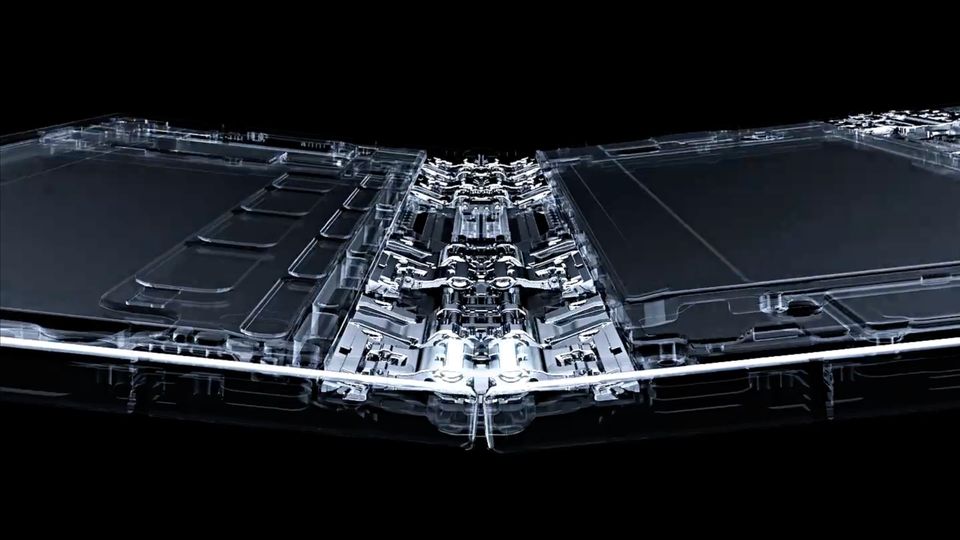
The durability test, conducted by UL Solutions on behalf of Samsung Display, focused on a prototype designed for a future tri-folding device. Unlike current dual-panel foldables, this innovative display features three distinct panels connected by two hinges, allowing the device to fold in two places. The result of the rigorous testing confirmed the prototype’s resilience, as it withstood an impressive 100,000 folding and unfolding cycles.
- Device Type: Samsung Galaxy Z TriFold display prototype
- Folding Mechanism: Three panels, two hinges, allowing for two distinct folds.
- Testing Agency: UL Solutions (on behalf of Samsung Display)
- Durability Result: Successfully endured 100,000 folds.
- Significance: A key milestone for a complex dual-hinge design, laying groundwork for future multi-fold devices.
This figure, while lower than the 200,000 cycles typically advertised for existing Galaxy Z Fold and Flip models, is remarkable given the increased mechanical complexity of two hinges and three display segments. The multi-fold design promises a significantly larger screen footprint when fully unfurled, offering a tablet-like experience from a pocketable device.
Context & Market Position
This durability milestone for the Galaxy Z TriFold prototype places Samsung Display at the forefront of advanced foldable technology research and development. While current market-leading foldables like the Samsung Galaxy Z Fold 5 and Z Flip 5 feature a single hinge and two panels, the TriFold concept introduces a new tier of complexity and potential. Competitors such as Huawei, Xiaomi, and Honor have also entered the foldable market with their own single-hinge designs, but none have yet brought a commercial tri-fold device to market.
The engineering challenge of integrating two robust hinges, managing multiple display creases, and ensuring consistent panel alignment across three segments is substantial. Successfully achieving 100,000 folds with a prototype demonstrates Samsung's commitment to overcoming these hurdles, positioning them as pioneers in exploring new form factors beyond the current book-style or clamshell designs. This prototype sets a benchmark for the industry's progression towards more ambitious, larger-screen foldable solutions that aim to bridge the gap between smartphones and tablets seamlessly.
Why It Matters (The Analysis)
The successful durability test of Samsung's Galaxy Z TriFold display prototype carries significant implications for both consumers and the broader tech industry. For consumers, it signals a future where the distinction between a smartphone and a tablet could virtually disappear. Imagine carrying a standard-sized phone that unfolds twice to reveal a sprawling screen comparable to a small tablet – perfect for multitasking, immersive gaming, or detailed content creation on the go. This unprecedented versatility could fundamentally change how we interact with our mobile devices, offering unparalleled screen real estate without compromising portability.
For the industry, this achievement validates the viability of multi-fold designs, pushing competitors to invest further in their own advanced foldable R&D. While 100,000 folds for a prototype is promising, the eventual goal for consumer-grade devices will likely be closer to 200,000 or more cycles, addressing concerns about long-term durability in everyday use. The TriFold concept, if refined for mass production, could redefine the premium segment, justifying a potentially higher price point through its innovative form factor and enhanced functionality. It represents a bold step towards an adaptive computing paradigm, setting new expectations for innovation in mobile technology.
What's Next
Looking ahead, the next steps for Samsung's TriFold technology will undoubtedly involve further refinement of the hinge mechanisms, display crease reduction, and achieving higher fold cycle ratings essential for a robust commercial release. We can expect continued research into lighter, thinner, and more robust materials, alongside software innovations to seamlessly manage the transition across multiple panels. While a consumer-ready Galaxy Z TriFold is likely still several years away, this prototype's success paves the way for a revolutionary new category of devices, ensuring Samsung remains a pivotal player in shaping the future of mobile technology.