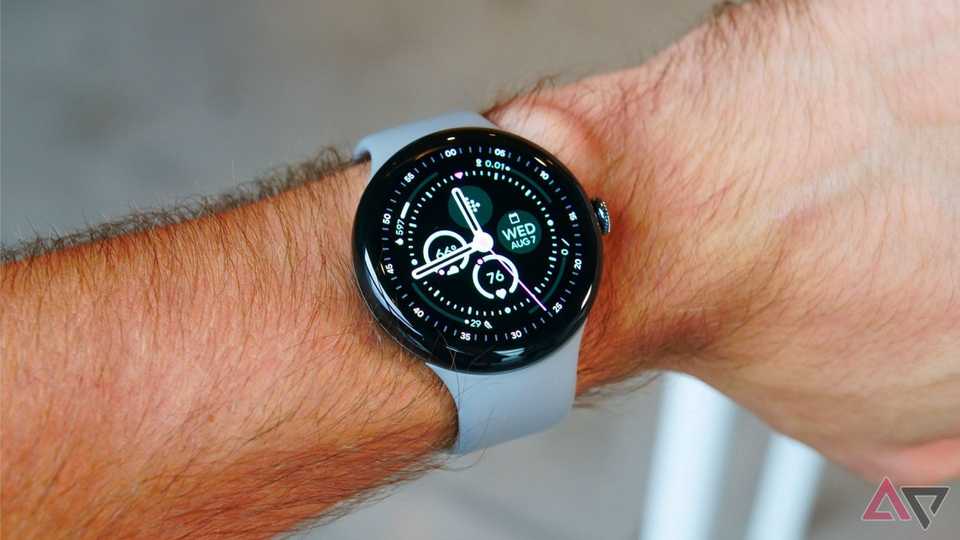
A widespread and persistent bug is affecting the Google Weather app on Wear OS smartwatches, including Google Pixel Watch and Samsung Galaxy Watch models, causing complications and the app itself to display outdated or no weather data, severely hindering daily utility.
Introduction (The Lede)
Users of prominent Wear OS smartwatches, including the Google Pixel Watch and various Samsung Galaxy Watch models, are facing significant frustration due to a persistent bug in the Google Weather application. This glitch renders a fundamental smartwatch feature—quick access to real-time weather information—largely useless, impacting convenience and undermining the reliability of a core pre-installed app.
The Core Details
The issue manifests primarily in the Google Weather app's complications and widgets, which are designed to provide glanceable information directly on a smartwatch face. Affected users report several consistent problems:
- Weather complications on watch faces frequently display outdated information, sometimes hours or even days old, rather than current conditions.
- In many instances, complications appear entirely blank, showing no data at all.
- Tapping on the weather complication or opening the Google Weather app directly often fails to refresh the data, presenting either a blank screen, a spinning loading icon indefinitely, or simply the same stale information.
- Troubleshooting steps like restarting the watch, clearing app cache, or even reinstalling the app (where possible) have generally proven ineffective for most users.
These reports have been surfacing consistently since late May and early June 2024, indicating a widespread problem across a significant segment of the Wear OS user base.
Context & Market Position
Smartwatches thrive on delivering immediate, essential information at a glance, and weather data is consistently one of the most frequently checked utilities. The Google Weather app, often pre-installed and deeply integrated into the Wear OS ecosystem, is designed to be the primary and most seamless way for users to access this information. For devices like the Google Pixel Watch, the default weather app carries the expectation of robust first-party integration and reliability. Similarly, on Samsung Galaxy Watches, a leading platform for Wear OS, a broken default app detracts significantly from the user experience.
While the Wear OS platform boasts numerous third-party weather applications, the convenience of a pre-installed, system-level app is unparalleled. This bug forces users to either endure a broken feature or seek out and install alternatives, adding an unnecessary layer of friction. The problem isn't just about a single app; it reflects on the overall polish and dependability of the Wear OS platform and Google's commitment to maintaining its core applications, especially on its own hardware and that of its major partners.
Why It Matters (The Analysis)
This bug in the Google Weather app isn't just a minor annoyance; it significantly impacts the core value proposition of Wear OS smartwatches. For users who rely on their watch for quick, glanceable information, a consistently broken weather complication undermines the very convenience a smartwatch is supposed to provide. This translates into user frustration and erodes trust in Google's software reliability, particularly when it affects flagship devices like the Pixel Watch, which is supposed to showcase Google's best-in-class integration.
Furthermore, the longevity of the issue suggests either a complex problem or a lack of urgency in addressing it, which can damage the perception of Wear OS as a reliable and mature platform. Potential new buyers might be deterred if basic, essential functions are seen as prone to long-standing bugs. For existing users, it forces a migration to third-party alternatives, potentially exposing them to apps with different user interfaces or subscription models, disrupting their preferred workflow. This bug highlights the critical importance of rigorous quality assurance for pre-installed applications that are integral to a device's functionality, especially in a competitive market where user experience is paramount.
What's Next
The onus is now on Google to swiftly acknowledge the widespread issue and provide a concrete timeline for a fix. Users will be keenly watching for an update to the Google Weather app or a Wear OS system patch that finally resolves this frustrating bug. A prompt and transparent resolution is crucial to rebuild user confidence and ensure that one of Wear OS's most basic and essential functions can once again be relied upon, preventing further erosion of the platform's reputation.