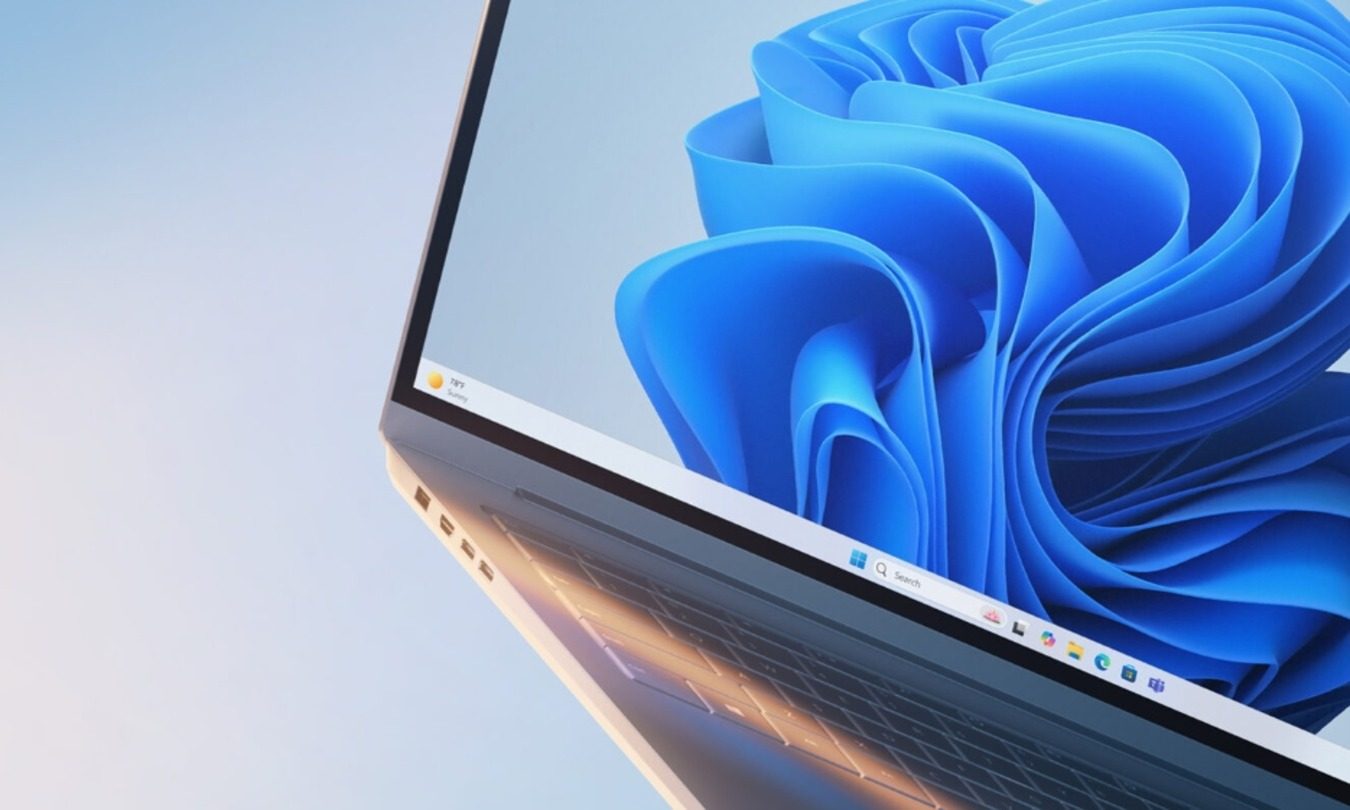
Microsoft has announced that it will cease support for Windows 11 SE, its specialized operating system designed for K-8 education, by January 2026, compelling schools to re-evaluate their technology strategies.
Introduction
Microsoft is pulling the plug on Windows 11 SE, its simplified operating system tailored for K-8 education, with official support set to conclude in January 2026. This decision marks a significant shift in Microsoft's strategy to compete in the educational technology sector and will necessitate substantial planning and transitions for schools and districts currently relying on the specialized OS.
The Core Details
The end-of-life for Windows 11 SE means that, come January 2026, devices running this operating system will no longer receive security updates, non-security updates, or assisted support. Introduced in late 2021, Windows 11 SE was designed with a cloud-first approach, a streamlined user interface, and strict limitations on app installations, primarily targeting an experience akin to Google's ChromeOS for young students. Its key features included:
- **Simplified Interface:** A cleaner, less cluttered desktop experience.
- **App Restrictions:** Only apps from the Microsoft Store or those approved by IT administrators could be installed, preventing students from downloading unauthorized software.
- **Cloud Integration:** Optimized for Microsoft 365 services, facilitating collaborative learning and cloud storage.
- **Enhanced Security:** Built with robust security features suitable for a managed educational environment.
- **Low-Cost Devices:** Intended to run on budget-friendly laptops, making technology more accessible to schools.
This sunsetting means IT departments in affected schools will need to devise a migration plan for their existing hardware and software ecosystems before the deadline.
Context & Market Position
Windows 11 SE was Microsoft's direct response to the overwhelming dominance of Chromebooks in the K-8 education market, particularly in North America. Google's ChromeOS, known for its simplicity, robust security, and cost-effectiveness on low-spec hardware, captured a significant share by offering an easy-to-manage, cloud-centric platform. Microsoft aimed to replicate this success by offering a Windows experience that stripped away complexity and unnecessary features, making it more manageable for school IT departments and less distracting for young learners.
However, the OS struggled to carve out a distinct niche. While it shared conceptual similarities with Windows 10 S (and later, Windows 11 in S Mode), Windows 11 SE was specifically positioned as a pre-installed solution on new, inexpensive devices. Its restrictive nature, while good for security and focus, also limited flexibility for schools that might need a wider array of specialized software not available in the Microsoft Store or easily deployable through IT. In essence, it found itself caught between the full versatility of standard Windows 11 and the extreme simplicity and cost efficiency of ChromeOS, perhaps failing to offer a compelling enough advantage over either.
Why It Matters
The discontinuation of Windows 11 SE carries significant implications across several fronts. For **schools and educational districts**, this announcement is more than just a footnote; it's a call to action. IT departments will need to conduct audits of their existing hardware, plan for potential migrations to standard Windows 11 (which might require hardware upgrades for older SE devices), or seriously consider a full transition to ChromeOS or another platform. This involves budgetary planning for new licenses, potentially new hardware, and retraining for both staff and students, representing a substantial operational challenge.
For **Microsoft**, this move suggests an acknowledgment that their fragmented approach to the education market with a dedicated, stripped-down OS did not achieve the desired market penetration or strategic goals. It likely signals a refocus on delivering a robust, full-featured Windows 11 experience (perhaps with enhanced S Mode capabilities or specific educational management tools) rather than creating distinct, limited SKUs. This streamlining could simplify their product offerings but also potentially cedes further ground in the budget education segment to Google.
For the **industry at large**, this decision reinforces ChromeOS's strong position in the K-8 education sector. While other Linux-based solutions exist, none have gained the ecosystem or market share of Chromebooks. This could prompt device manufacturers to further pivot their low-cost laptop strategies towards ChromeOS or standard Windows devices, impacting future product development and availability.
What's Next
As the 2026 deadline approaches, we can expect schools and districts to begin planning their transitions, likely opting for either standard Windows 11 Pro/Education editions for a more robust experience or fully embracing ChromeOS for its established simplicity and cost-effectiveness. Microsoft will undoubtedly focus its educational efforts on enhancing the manageability and features of standard Windows 11 for schools, rather than introducing another niche operating system. This development signifies a consolidation in the educational OS landscape, with the main battle lines drawn firmly between full Windows and ChromeOS.