A widespread social media campaign claiming the release of 'Avatar: Fire and Ash' has been thoroughly debunked, revealing the film to be a sophisticated online hoax that leveraged fan anticipation for the highly successful franchise.
Introduction (The Lede)
For weeks, social media has buzzed with fervent discussions and enthusiastic reviews of a supposed new cinematic masterpiece, "Avatar: Fire and Ash." Fans eagerly shared details of its alleged groundbreaking themes and character arcs, celebrating what many believed to be a triumph over its predecessors. However, this viral phenomenon has now been definitively exposed as an elaborate hoax, leaving many surprised and highlighting the pervasive nature of online misinformation. This non-existent film served as a convincing illusion for countless moviegoers who fell for the clever deception.
The Core Details
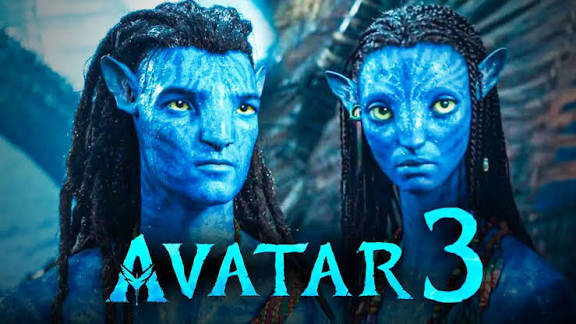
The "Avatar: Fire and Ash" saga began as a clever social media prank, gaining traction rapidly through fabricated user reviews, fan theories, and seemingly credible discussions about its fictional plot points. The hoax claimed the film featured innovative new technology and thematic depth, captivating audiences who mistook speculative fan content for genuine news. The user's input directly reflects these false claims. However, investigative reporting, including a debunking article from Digital Trends, confirmed that no such film has been released or even officially announced by 20th Century Studios or director James Cameron. The current official release schedule for the Avatar franchise includes "Avatar 3" (reportedly titled *Avatar: The Seed Bearer*) slated for late 2025, with two more sequels planned, none of which are named "Fire and Ash."
- **Film Status:** Not a real movie; confirmed as an elaborate social media hoax.
- **False Claims:** Widely praised for fictional "new ideas, themes, character arcs, technology, and a new tech invasion."
- **Origin:** Unconfirmed social media pranksters successfully leveraged fan enthusiasm.
- **Actual Franchise Status:** *Avatar 3* (*The Seed Bearer*) is currently in post-production, due in December 2025; no "Fire and Ash" title exists in the official slate.
Context & Market Position
The "Avatar: Fire and Ash" hoax isn't an isolated incident but rather a striking example of a broader phenomenon: the virality of misinformation, especially within passionate fan communities. Major franchises like Avatar, with their dedicated global followings and long gaps between installments, create fertile ground for speculation and, unfortunately, hoaxes. In the absence of official updates, fan-generated content can easily blur the lines with genuine news, particularly when shared enthusiastically across platforms like X (formerly Twitter), Facebook, and TikTok. This incident echoes other past instances of fake movie trailers or release date rumors that have fooled segments of online audiences. The digital landscape, fueled by algorithms prioritizing engagement, often amplifies sensational or intriguing content regardless of its veracity, making it challenging for casual users to distinguish fact from fiction. For the Avatar franchise, still basking in the success of *The Way of Water* and building anticipation for *Avatar 3*, this hoax demonstrates both the immense public interest and the vulnerability to uncontrolled narratives.
Why It Matters (The Analysis)
This "Avatar: Fire and Ash" deception serves as a critical case study in media literacy and the challenges of information verification in the digital age. For consumers, it underscores the importance of scrutinizing sources, particularly when news originates solely from social media. The allure of being "first" to a breaking story, combined with confirmation bias, can lead to widespread acceptance of false narratives. For the entertainment industry, such hoaxes highlight the dual-edged sword of intense fan engagement; while it drives incredible hype, it also creates an environment ripe for misinformation that can potentially dilute official marketing efforts or confuse the audience. It forces studios to consider proactive strategies to manage online narratives, ensuring their official channels are the definitive source of truth. Ultimately, the success of this hoax reveals a significant societal challenge: in an era of abundant information, the ability to discern fact from fiction is more critical than ever, impacting not just entertainment but broader public discourse.
“The internet provides a powerful platform for sharing information, but it also means misinformation can spread like wildfire. Verifying sources is no longer just good practice; it's essential for navigating our digital world.”
— Digital Trends Editorial Staff
What's Next
Moving forward, this incident should serve as a wake-up call for both consumers and content platforms. Users are encouraged to cross-reference news with official studio announcements and reputable media outlets before accepting information as fact. For platforms, it poses continued questions about their responsibility in combating the spread of hoaxes and fake news. As the *actual* Avatar 3 approaches its release, 20th Century Studios will likely redouble its efforts to control the narrative, ensuring fans receive verified information directly from official sources, thereby managing expectations and excitement for the franchise's genuine future installments.