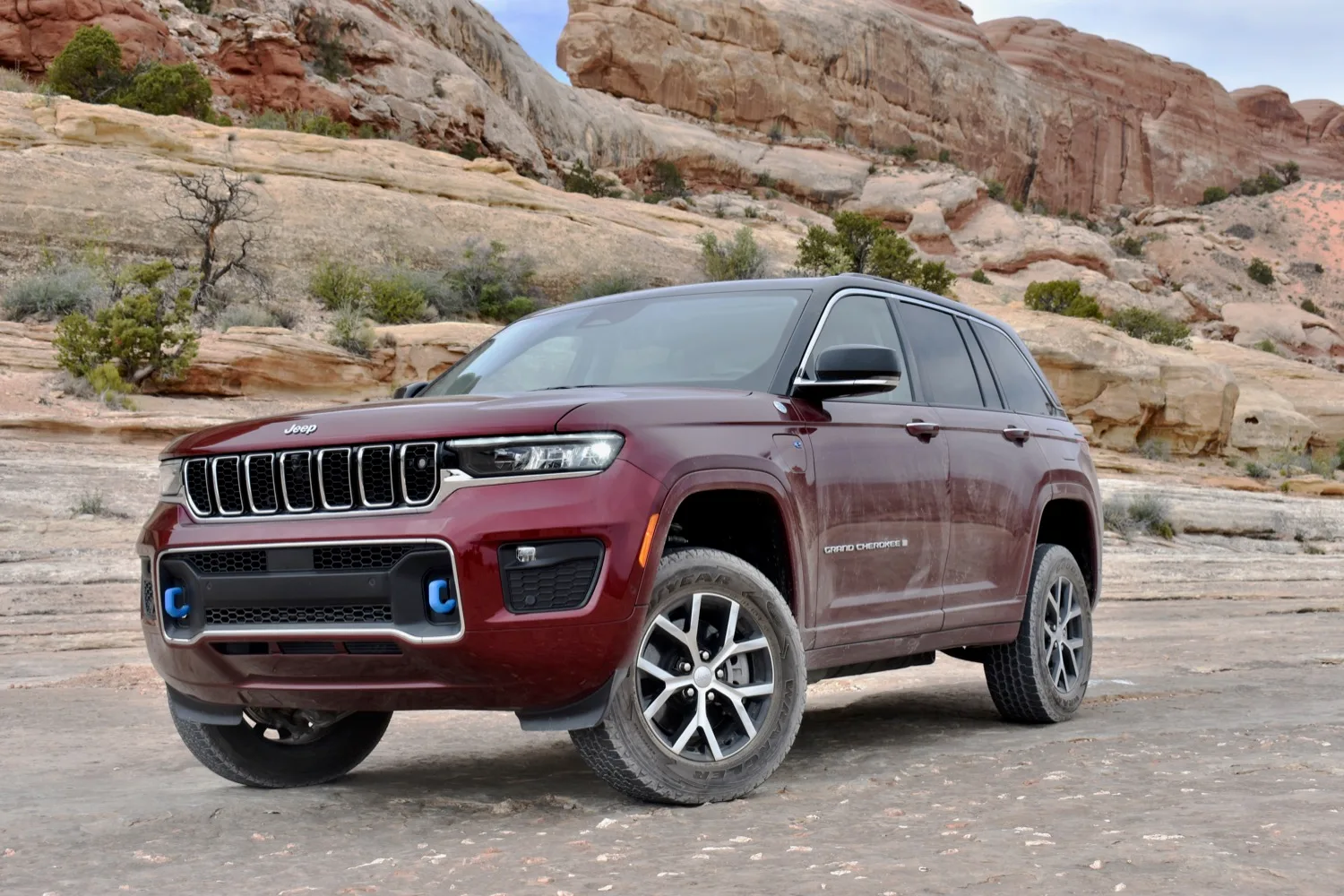
Plug-in Hybrid Electric Vehicles (PHEVs), often touted as eco-friendly bridges to full electrification, are increasingly found to be falling short of their environmental promises due to inconsistent charging by owners, leading to significantly higher real-world emissions and fuel consumption.
Introduction
Plug-in Hybrid Electric Vehicles (PHEVs) have long been championed as the ideal stepping stone towards a fully electric future, offering the best of both worlds: zero-emission electric range for daily commutes and a gasoline engine for longer journeys without range anxiety. However, a growing body of research, including insights highlighted by Digital Trends, reveals a critical flaw in this promise. PHEVs are increasingly found to be underperforming in real-world scenarios, leading to significantly higher fuel consumption and emissions than their official ratings suggest.
The Core Details
The central issue stems from user behavior: many PHEV owners are simply not charging their vehicles regularly enough, or at all. Studies from the International Council on Clean Transportation (ICCT) consistently show that real-world fuel consumption and CO2 emissions for PHEVs are often two to four times higher than official laboratory figures. This discrepancy arises because, without frequent charging, the vehicle primarily relies on its internal combustion engine, hauling the additional weight of an unutilized battery and electric motor. Digital Trends points out that while PHEVs offer a substantial electric range (often 20-50 miles), the convenience of the gasoline engine means many drivers default to it, especially if charging infrastructure isn't readily available at home or work. This negates the environmental and economic benefits these vehicles are designed to provide.
Context & Market Position
PHEVs entered the market with the compelling narrative of bridging the gap between traditional internal combustion engine (ICE) vehicles and pure Battery Electric Vehicles (BEVs). They were seen as a compromise solution for consumers hesitant about range anxiety or the upfront cost of BEVs, often benefiting from generous government incentives designed to accelerate electrification. Unlike traditional hybrids, which autonomously optimize between gas and electric power without user intervention, PHEVs require active participation from their owners to be effective. This user dependency fundamentally differentiates them and, as current data suggests, creates a significant vulnerability in their environmental impact. Compared to BEVs, which offer true zero tailpipe emissions, and even modern conventional hybrids that are consistently efficient, PHEVs can fall short if not meticulously managed. The design compromise of carrying two full powertrains – a fuel tank and an ICE, alongside a substantial battery and electric motor – means that when the electric portion is not utilized, the vehicle becomes inherently less efficient due to its increased weight and complexity, performing worse than many lighter, simpler ICE vehicles.
Why It Matters
This revelation carries profound implications for consumers, the automotive industry, and environmental goals. For consumers, the promise of low running costs and a reduced carbon footprint can turn into buyer's remorse, as unexpected fuel bills mount and the perceived "green" benefit diminishes. They are often paying a premium for a technology they aren't fully utilizing. For the automotive industry, the credibility of "green" initiatives is at stake. Manufacturers touting PHEVs as eco-friendly solutions face scrutiny if their real-world performance contradicts marketing claims. This could accelerate a pivot towards prioritizing full BEV development or refining traditional hybrid technologies, which are less reliant on user behavior for efficiency. Environmentally, the widespread underperformance of PHEVs undermines efforts to combat climate change. If a significant portion of "eco-friendly" vehicles are emitting more CO2 than anticipated, it slows down overall emissions reduction targets. Policymakers who have offered substantial subsidies for PHEVs are now re-evaluating these incentives, potentially shifting support towards technologies that deliver more consistent and verifiable environmental benefits, forcing a re-think of what constitutes a genuinely "green" car.
What's Next
The future of PHEVs is increasingly uncertain. We can anticipate stricter regulatory oversight globally, with a potential reduction or even elimination of incentives for these vehicles unless manufacturers implement robust solutions to ensure proper charging behavior. Companies may need to innovate with better user education, smarter charging reminders, or even design changes that make reliance on the electric powertrain more intuitive and mandatory. Ultimately, this scrutiny is likely to push the industry further towards full Battery Electric Vehicles or more advanced, efficient conventional hybrids, signaling a potential sunset for PHEVs as a primary transitional technology.